Airbus agrees to sell its U.S. satellite business to Cerberus
The sale puts a Florida factory for spacecraft in private equity hands while Airbus keeps other satellite work in France.
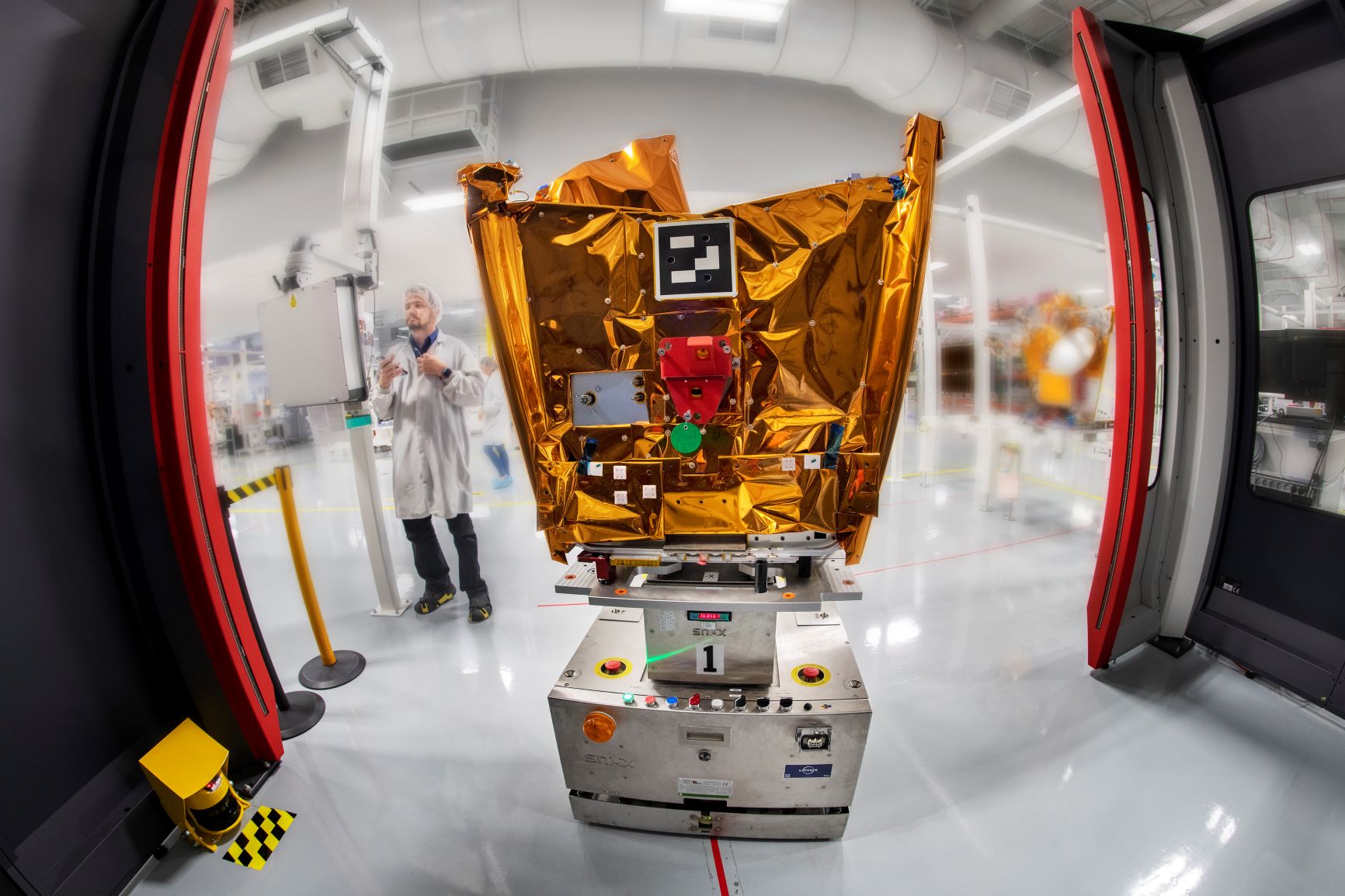
Airbus’s planned U.S. sale does not mean it is leaving satellite manufacturing. Airdatanews.com reported that Airbus has agreed to sell its U.S. Space Systems business to Cerberus Capital Management while securing orders to manufacture new satellites for Eutelsat in France.
The sale changes what the place is asked to prove. Breaking Defense reported this week that Airbus does not break out the annual revenue of its US arm, and the Cerberus announcement did not include a price tag for the acquisition. That leaves customers and capital providers judging capacity before they can judge valuation.
The factory is not an empty shell. Citybiz reported this week that the business is headquartered in Merritt Island, Florida, and specializes in satellite engineering, design, manufacturing, integration, testing and launch preparation for national security and commercial customers. Pulse 2 reported that the facility sits adjacent to NASA’s Kennedy Space Center.
That geography matters because the buyer is trying to sell reliability as much as ownership. Cerberus intends to invest in engineering capabilities, product portfolio and domestic supply chain to establish an independent, U.S.-owned satellite manufacturing platform, Citybiz reported. The promised platform has to turn an Airbus unit into a supplier whose owners, customers and supply chain all read as domestic.
The sequence matters because the deal follows a quick passage from sole Airbus ownership to a sale agreement. The dates trace a business that first became fully Airbus, then came under review, and finally moved to Cerberus-managed funds.
Cerberus is not arriving as a passive financial sponsor in its own telling. Citybiz reported that Cerberus Supply Chain has completed investments across aerospace and defense, data and microelectronics, critical minerals and power, and industrial manufacturing. In this deal, the firm says it wants a satellite platform, not merely a factory address.
The operating list is broad enough to support that ambition. Citybiz.co reported that the business handles satellite engineering, design, manufacturing, integration, testing and launch preparation, and that Cerberus intends to invest in its capabilities and domestic supply chain. Those are the tasks a customer would need if it wanted a spacecraft built, checked and readied without sending work back through Airbus.
Where the Optimism Thins
Where the optimism thins is in the missing evidence of future load. Via Satellite reported that the Space Systems business has built satellites including the first generation of the OneWeb constellation and satellite platforms for the Space Development Agency’s constellation. It also reported that the business is not building the second generation of OneWeb satellites.
The public account also contains a warning from inside the market Airbus hoped would carry the factory. Via Satellite reported that Henry said the government market took longer than expected to mature and, when it did, Airbus found it more crowded than first envisioned. That is a better explanation for a sale than a lack of technical capability.
There is a cleaner bullish case. Pulse 2 reported that demand for satellite manufacturing capabilities has increased as government and commercial customers pursue more resilient space infrastructure. Citybiz.co reported that Cerberus intends to establish an independent, U.S.-owned satellite manufacturing platform. If demand is fragmented, that platform may win work from buyers that prefer a U.S.-owned supplier over a European parent.
Via Satellite reported that a Cerberus representative declined to answer questions, including if the private equity firm will rename the manufacturing business.
Airbus, by contrast, has given enough evidence to separate this sale from a full retreat. Air Data News reported that the sale does not represent Airbus’ withdrawal from the satellite manufacturing business. The same outlet reported that Airbus has secured orders to manufacture hundreds of new satellites for Eutelsat in France as the operator prepares to replenish and expand its low Earth orbit constellation.
The price is not the signal because there is no public price. For a household with a broad stock index fund, the transaction gives little direct mark because the buyer is certain funds and accounts managed by Cerberus and the seller’s US arm has no broken-out annual revenue in the cited account. The visible risk sits with execution, not a quoted share move.
For institutions, the exposure is more concrete. Lenders, suppliers and national security or commercial customers tied to Merritt Island would gain from a funded domestic platform and lose from a pause in customer announcements, because the plant’s value depends on filling the work that Airbus is no longer keeping there. The public filings so far do not size that gap.
The sources name no scheduled closing date, so the test is over the next month: Cerberus must attach customers, capital commitments or a new operating identity to Merritt Island. If those do not appear, the deal looks less like expansion and more like a crowded-market transfer with undisclosed economics.
What would change it. Silence on customers, capital commitments and new work would weaken the platform case and leave the sale looking like a cleanup of a crowded market.
Sources
militaryaerospace.com Nov. 25citybiz.co Nov. 24satellitetoday.com Nov. 24breakingdefense.com Nov. 24airdatanews.com Nov. 24pulse2.com Nov. 24
33 statements, each tied to its sourceWhat each statement rests onHow ARCANE checks a story