Argentina bars central bank funding of government bills and eases replacing bank leaders
Holders of peso savings face risk because the central bank still controls the currency and a president can replace its leaders with a simple Senate majority.
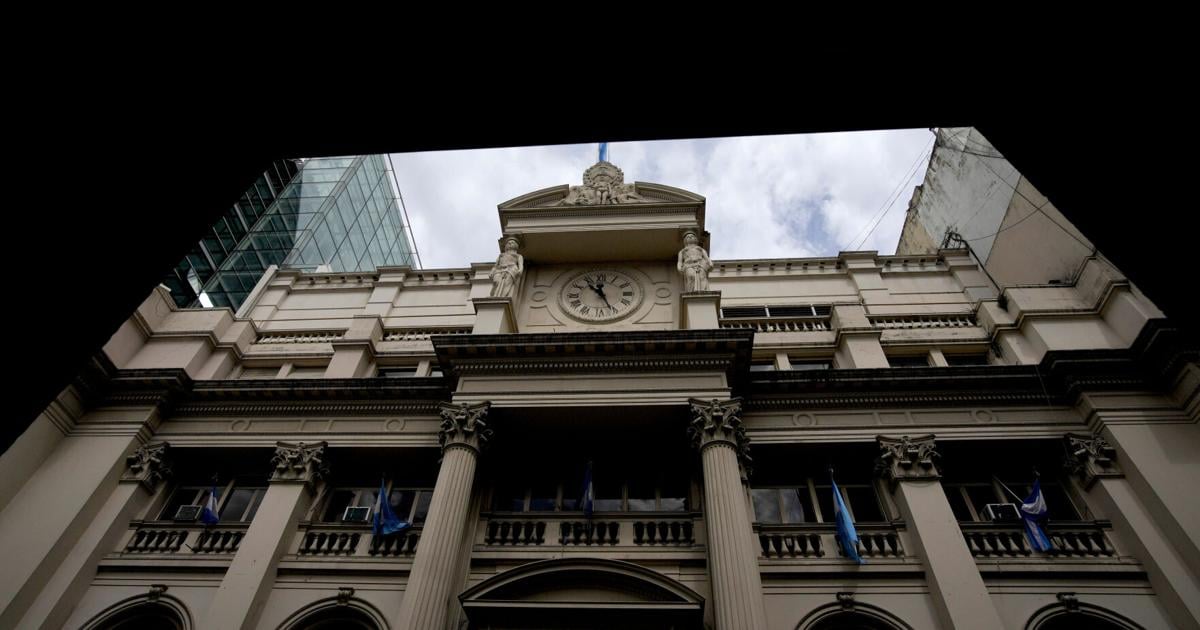
AP reported Thursday that Congress barred the bank from printing money for government bills, while the final charter dropped Milei’s proposed two-thirds removal rule and allows replacement by a simple Senate majority.
That split is where the risk sits. Telegraph Herald reported Friday that the new charter makes preserving the value of the peso the central bank’s primary mission. Startup Fortune reported Friday that Julia Strada warned reserves could be used as collateral to put the bank into debt, which would put Argentines at risk. A household paid in pesos needs the first promise to hold; a creditor watching public debt needs the second channel to stay closed.
Startup Fortune reported on Nov. 27 that Argentina's Congress voted on Thursday, November 26, to stop the central bank from financing the government, shutting a channel that for years turned budget gaps into fresh pesos. That is the cleanest part of the law. It moves the old fiscal temptation from a routine financing tool into a legal breach, which changes the bargaining position of any finance minister who runs short of cash.
Telegraph Herald reported Friday that the bank’s new mission is to preserve the value of the peso, even though Milei had campaigned as a candidate in 2023 on abolishing the bank and replacing the local currency with the U.S. dollar. Startup Fortune also reported that only realised profits can go to the state, gains from exchange-rate or gold price moves stay in the bank’s capital, and any transfer must pay public debt. The charter, then, narrows the direct route from the printing press to the Treasury.
News9Live reported Friday that the new charter left currency controls in the hands of the central bank. Guardonline.com reported that Milei has been reluctant to let the market set Argentina’s most important price, the exchange rate. That does not undo the financing ban, but it means the peso’s value still depends on an administered price as well as on the bank’s balance sheet.
The discarded removal rule is the missing lock. AP reported that Milei’s original bill would have made it harder for Congress to remove the governor, Santiago Bausili, and that the enacted version lets a president replace the bank’s leadership through the ordinary Senate route.
The history is not theoretical. Startup Fortune reported that Fernández’s government removed central bank president Martín Redrado by decree in January 2010 during a fight over using reserves to pay debt, and argued that a congressional committee could only offer advice. The details differ, but the old episode shows why the appointment rule matters. When reserves become part of a debt fight, the governor’s security becomes a policy instrument.
The best case for the law is stronger than its loopholes. Startup Fortune reported that Milei had already restricted this kind of financing through executive action, citing Bloomberg, and the new vote puts the restriction into statute. On that reading, Congress has converted a presidential practice into a harder rule and reduced the chance that a future deficit turns immediately into fresh pesos. The concession is real: the most direct route has been closed.
The Exposure for Peso Savers and Creditors
The macro backdrop makes the test harsher. AP reported that Milei has slashed public spending in the past three years, turned chronic fiscal deficits into a surplus and helped cut annual inflation from nearly 300% in early 2024 to 33% last month. AP also reported that Argentina’s economy shrank an estimated 1.8% in the third quarter after a 0.6% contraction in the second, according to official data released Tuesday. Lower inflation gives the ban credibility; contraction raises the political cost of keeping the fiscal squeeze in place.
IndexBox reported Thursday that the vote occurred days after preliminary data suggested Argentina had probably fallen into recession, under a year before the libertarian economist pursues a second four-year term. That timing matters for game theory more than slogans. A government seeking re-election may face pressure to soften pain, while the bank’s leadership and its control over reserves remain a weak seam.
Holders of peso savings gain if the bank’s mission to preserve the value of the peso dominates the remaining controls. A fund that owns Argentine public debt gains from a cleaner payment rule if only realised profits are transferred to pay that debt, and loses if politics shifts the pressure back onto the bank’s balance sheet. The next public signal is any action on leadership, reserve-backed debt or currency controls.
Over the next 30 days, the test is whether the Senate leaves leadership untouched and whether the central bank takes on debt backed by reserves or changes currency controls. Debt backed by reserves would confirm the partial lock; no such debt or leadership move would weaken that reading.
What would change it. No leadership move, no reserve-backed debt and no tighter currency controls would weaken the partial-lock reading.
The Last Time
Martín Redrado was removed by decree
What Rhymes
The earlier fight also put central bank leadership and reserves between a president and debt payment.
What Is Different
The new charter bars financing the government, while the earlier episode described a fight over using reserves to pay debt.
What It Means for the Forecast
The history suggests the leadership rule is the weak seam if fiscal stress returns, rather than the printing ban alone.
Sources: guardonline.com, Nov 26, 2026; startupfortune.com, Nov 27, 2026
Sources
guardonline.com Nov. 26telegraphherald.com Nov. 27startupfortune.com Nov. 27news9live.com Nov. 27IndexBox Nov. 26
19 statements, each tied to its sourceWhat each statement rests onHow ARCANE checks a story