Beijing's licensing bureau now determines global access to rare earth exports
China’s MOFCOM permits set the flow of rare earths to aerospace and car manufacturers, as this month’s approvals favor the US while blocking Japan.
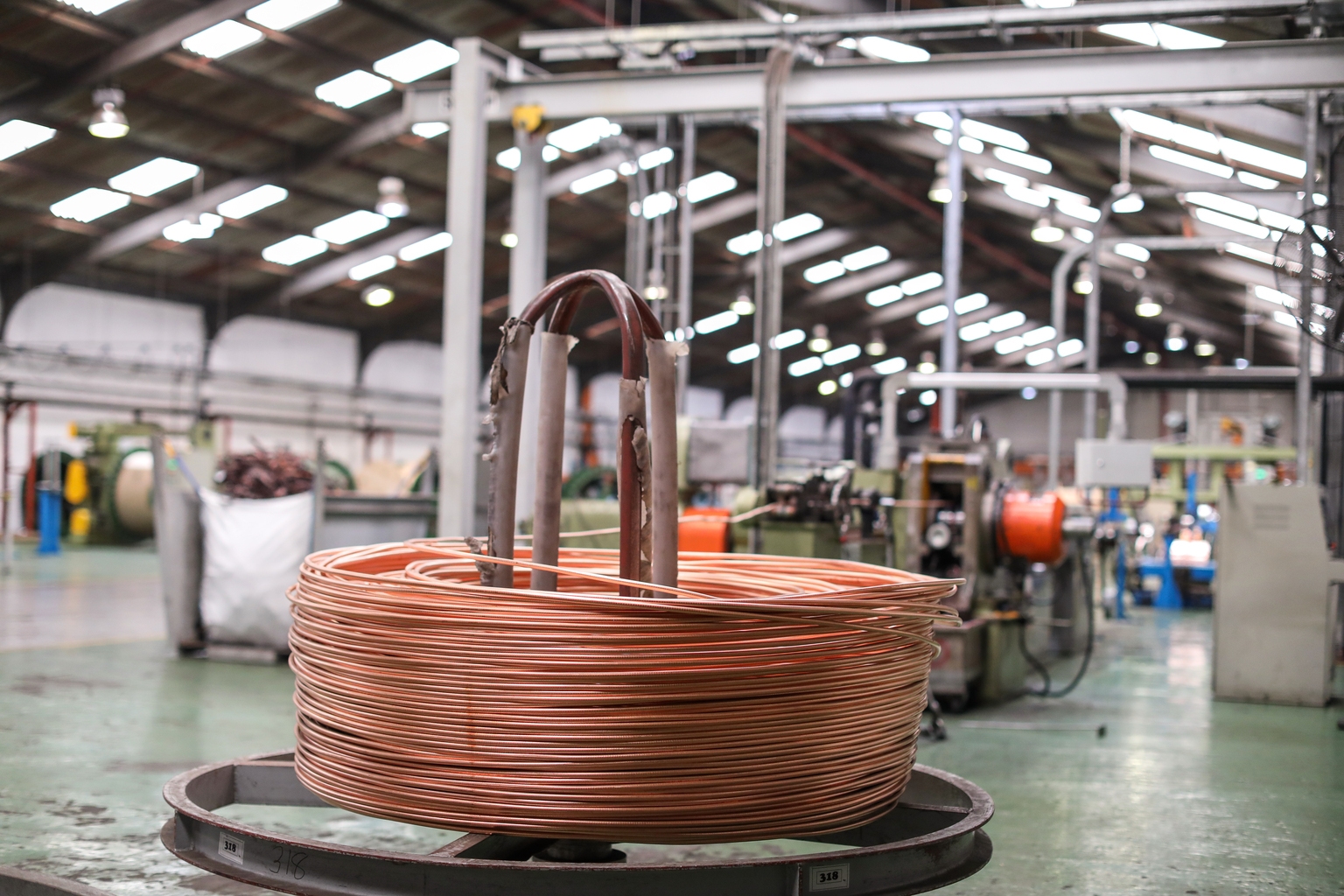
A licence desk in Beijing decides every gram of rare earth now leaving China for American aerospace buyers, and this month it is saying yes at record volume, a goodwill gesture ahead of Xi Jinping's late September White House visit. Reuters reported on August 20 that the approvals are running at their highest volume yet.
In the same week, Japanese manufacturers learned that their dysprosium and terbium imports from China have been zero since January, with any recovery pushed to 2027 at the earliest, Caixin Global reported on August 21. Generosity toward Washington and cutoff in Tokyo come from the same room, and neither is an accident of diplomacy. What is at stake is who gets rare earths at all, and the answer is being written month by month into permit files.
MOFCOM's licensing bureau, more than Xi or Trump, is the actor who matters here. Since April 2025 it has required a permit for every shipment of rare earths and rare earth magnets out of China, complete with end-use declarations naming the final buyer. In June 2026, State Council Order No. 839 went further and pulled mining quotas, smelting, separation, strategic reserves and even traceability of material through the supply chain under direct state control, as a July 7 Certivo analysis of the order laid out.
The trigger this month is the September summit and the calendar underneath it. The truce that suspended China's harshest extraterritorial rules expires on November 10, 2026, under MOFCOM Announcement 70/2025, tracked by lanthanides.io. Every buyer from Detroit to Nagoya is bidding for paper before the clock runs out.
The slow pressure predates any of this. Caixin Global, citing Argus figures on August 21, noted that China processes the overwhelming majority of the world's rare earths and roughly four-fifths of heavy rare earth supply specifically, which means the licence desk sits on top of a physical monopoly no treaty can dissolve. The April 2025 controls converted that geology into power overnight, and the world found out what a licence queue does to a factory line.
Ford's magnet suppliers were among the first batch granted streamlined permits in December after months of stoppages, Reuters reported on December 10, 2025. The fix arrived one automaker at a time.
A rationing signal
Chinese export totals look steady enough to reassure. SMM's August 2026 analysis of China Customs data put July magnet shipments at 5,375 tons, down just 4 percent from June, and first-half rare earth exports slipped only 6.4 percent year over year according to General Administration of Customs figures reported by Global Times in July 2026.
The aggregate hides the allocation. Magnet exports to Japan fell 52 percent year over year in July while flows to the United States rose, and graphite to Japan dropped 62 percent, South China Morning Post reported in August 2026.
The numbers disagree most violently on price. European spot yttrium oxide traded around six dollars a kilogram before the controls; by early this year it changed hands near 270 dollars, a forty-fold move, with US-facing prices up similarly, on Argus data cited by Reuters in February 2026. A price like that tells every motor maker in Europe that someone ahead of them in the queue got the permit and they did not.
Tokyo remembers an earlier version firsthand. In September 2010, after a fishing-trawler standoff near the Senkaku islands, Chinese rare earth shipments to Japan quietly stopped, prices spiked, and within two years Japan had funded Lynas in Australia and begun stockpiling. That embargo lasted about two months. This time differs in one decisive way: there is no dispute to resolve, no incident to de-escalate. The controls are codified regulation, administered continuously, and Japan's dysprosium and terbium imports have now sat at zero for half a year without any diplomatic rupture being announced (Caixin Global, Aug 21). An embargo you can end. A licence queue never has to.
What the truce covers
Washington did extract something real. China suspended its broadest rules, including the ones claiming jurisdiction over foreign-made goods containing any trace of Chinese rare earth content, until November 10, under MOFCOM Announcement 70/2025. If that suspension extends past the summit, the system looks less like a weapon than a bargaining chip that was played once and holstered.
Even under the truce, though, MOFCOM states plainly it will not approve applications where the end user is a foreign military entity, and semiconductor-related cases stay case-by-case rather than qualifying for general licences, per a CMGM regulatory review of July 24. The suspension reaches only so far as its own text.
Buyers who hold general licences, mostly civilian automakers with US leverage, keep receiving material, while Japanese heavy-rare-earth users and anyone with a defence contract wait. Procurement has shifted from price competition to licence competition, which is why the US-China Business Council reported on December 17, 2025 that companies treat general-licence status as fragmented, informal and unevenly distributed, essentially a favor granted rather than a right claimed.
The International Energy Agency estimates full implementation of these controls puts some 6.5 trillion dollars of downstream production outside China at risk across autos, electronics, defense and energy, in a report covered by Reuters on July 30. That figure is Beijing's own exposure. Every factory that relocates a magnet plant or a motor line because a permit arrived late is capacity China permanently loses, and the licence desk knows it.
Who pays
Japanese component makers pay in idle lines through at least 2027, Caixin Global reported on August 21.
European and American carmakers pay in premium prices and six-month lead times.
Who profits is equally clear: Lynas, now the first producer outside China to separate dysprosium and terbium commercially, collects a price umbrella built entirely in Beijing, and Chinese champions like Shenghe and Northern Rare Earth collect domestic margins as export discipline tightens the home market. The desk profits both ways, taxing the world's dependence abroad and scarcity at home.
The September summit will show whether the November 10 suspension gets extended. If it lapses and the extraterritorial 0.1 percent rule returns, the licence desk graduates from gatekeeper to global allocator with legal reach into factories outside China. What breaks it is quieter: if MOFCOM publishes a standing, public, criteria-based general licence open to any applicant, the favor becomes a rule and the grip drains out of it. Bureaucrats guard discretion carefully. Do not expect them to give it away.
The twentieth century put tariffs at the center of trade power, and the twenty-first put permits. Tariffs hit everything at once and announce themselves in headlines. Licences pick winners one company at a time, silently, and the victim cannot even prove he was targeted.
Beijing did not need new mines to gain this power. It needed a form, a queue, and the patience to let everyone else discover where the door is.