EU sanctions target companies behind Russian oil exports
Insurers and banks face restrictions alongside shipowners as the EU widens its measures.
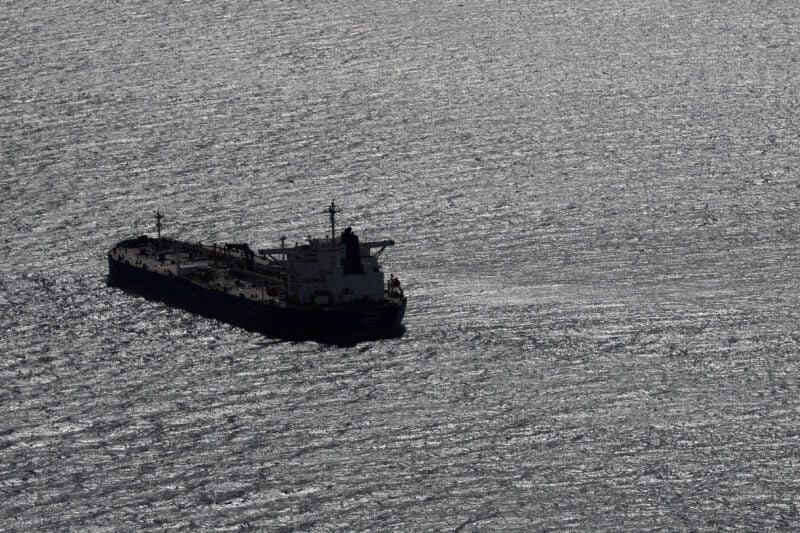
The EU’s new Russia sanctions look aimed at the service network behind oil exports as much as the tankers themselves.
The change is where the pressure lands. Lloyd’s List reported this week that EU sanctions are moving beyond individual tankers to the owners, managers, financiers, insurers and terminals supporting Russian oil exports. That shifts exposure from ships that can be renamed or moved to companies that provide management, finance, insurance and port services.
The EU document described the companies as registered owners of vessels already under Union restrictions. Those vessels carry Russian crude oil or petroleum products and use irregular, high-risk shipping practices. The listings reach the companies that own the vessels, not just the vessels themselves.
The named individuals show the same turn. gCaptain reported this week that Russian nationals Igor Konfino and Daniil Mosin were identified by the EU as managers of White Agate Marine, Citrine Marine and Serpentine Marine, companies that own vessels already under European sanctions. Eurointegration.com.ua reported that Igor Konfino, Daniil Mosin and Sergei Grib run Sovcomflot-affiliated companies that own vessels in Russia’s shadow fleet.
The geography also matters. Morgan Lewis wrote this week that the measures target entities in third countries, including companies registered in the United Arab Emirates, Oman, the Seychelles, Singapore and Hong Kong, with a particular focus on oil trading, shipping and sanctions circumvention. The Kyiv Independent reported that the latest listings also include oil buyers in China, the United Arab Emirates, the Seychelles and Oman.
The measures also target Russia-based North Fleet, which manages, operates and owns vessels involved in the Russian oil trade. Russia-based Balance Insurance was designated too. Naming managers and insurers may put more pressure on the services behind a fleet than a list confined to vessels would.
The corporate net extends into Dubai as well. gCaptain reported that the sanctions target Lidoil DMCC, Spikoil DMCC, Lynx Ship Management, Stalwart Shipmanagement, Grace Shipmanagement and Greenlight Shipmanagement, a network of Dubai-based companies involved in Russian oil transportation. The listings reach companies involved in moving Russian oil, not just the vessels carrying it.
Shipping was not the only target. Morgan Lewis wrote that the new listings include approximately 50 Russian banks and financial institutions, oil and gas companies, refineries, metals and mining businesses, and companies supporting Russia’s shadow fleet. Eurointegration.com.ua reported that the sanctions also target 27 Russian oil refining, mining and gas companies.
The consumer-technology names make the package broader still. Eurointegration.com.ua reported that the sanctioned individuals include Wildberries founder Tetiana Kim and Alexander Chachava, Ozon’s largest shareholder and a shareholder in Yandex. The Kyiv Independent separately described Tatyana Kim as the owner and sole shareholder of Wildberries.
Kharon added a transaction trail. According to trade data reviewed by Kharon, a close Russian trading partner continued to ship oil products to AP International into at least the first half of 2024, long after references to Russian business disappeared from its website. Kharon also reported that the Union said companies in the UAE, China, the Seychelles and Oman were buying Russian oil, alongside owners and managers of vessels transporting it.
A Broad Sanctions Round
A broader package can weaken the shipping-first reading. The Kyiv Independent reported that Ukraine’s sanctions chief Vladyslav Vlasiuk described 141 individuals and entities, from SDA behind Doppelganger to Russian banks, refineries, oil traders and shadow fleet managers in the UAE. That phrasing puts maritime services inside a wider Russia sanctions push, rather than making them the whole story.
Eurointegration.com.ua reported the Council of the EU’s financial rationale. The Council said that progressively tightening and expanding sanctions on Russia’s banking sector was cutting off channels that process state revenues and fund Russia’s war effort. DW reported that Brussels has imposed more than 20 sanctions packages in response to Russia’s February 24, 2022, invasion of Ukraine.
The package also touches banks, refineries, marketplaces and energy companies. Yet the shipping evidence still has a sharper edge: the EU is naming owners, managers, financiers, insurers, oil traders and terminal infrastructure behind Russian oil exports, not just individual tankers.
For shipping companies, insurers and banks, the cost is not only reputational. Owners, managers, insurers, financiers and terminals supporting Russian oil exports now carry more compliance and counterparty pressure than a tanker-only blacklist would create. A bank that clears payments, or an insurer that covers a voyage, has to judge the company around the vessel, not just the vessel.
A household with a pension or broad stock index fund would see any effect through public oil and shipping prices, not through the sanctions list itself. An institution with shipping credit, marine insurance or trade-finance exposure faces a more direct problem: if the EU keeps naming service providers, counterparties tied to Russian oil exports become harder to finance and cover.
The same split applies to holdings. Any effect on a broad stock fund or an oil-linked holding would show through public oil and shipping prices rather than through the sanctions list itself. Shipping credit and marine-insurance books face a more direct test, because the new pressure reaches owners, managers, insurers and financiers.
The next Council of the European Union sanctions listing is the test. More owners, managers, insurers, financiers, terminals or third-country oil buyers would confirm that Brussels is following the network behind Russian oil exports. A return to mainly individual tankers would make this round look more like a broad Russia package with a shipping annex.
What would change it. New EU listings shift back toward individual tankers or unrelated individuals and omit the service providers behind Russian oil exports.
Sources
lloydslist.com Nov. 16com.ua Nov. 16rivieramm.com Nov. 16gcaptain.com Nov. 16morganlewis.com Nov. 17kyivindependent.com Nov. 16kharon.com Nov. 16DW Nov. 16
27 statements, each tied to its sourceWhat each statement rests onHow ARCANE checks a story