Hormuz disruption would raise costs for Asian LNG importers
Qatari and Emirati cargoes still use the waterway, so Asian buyers face higher spot prices if crossings stay disrupted.
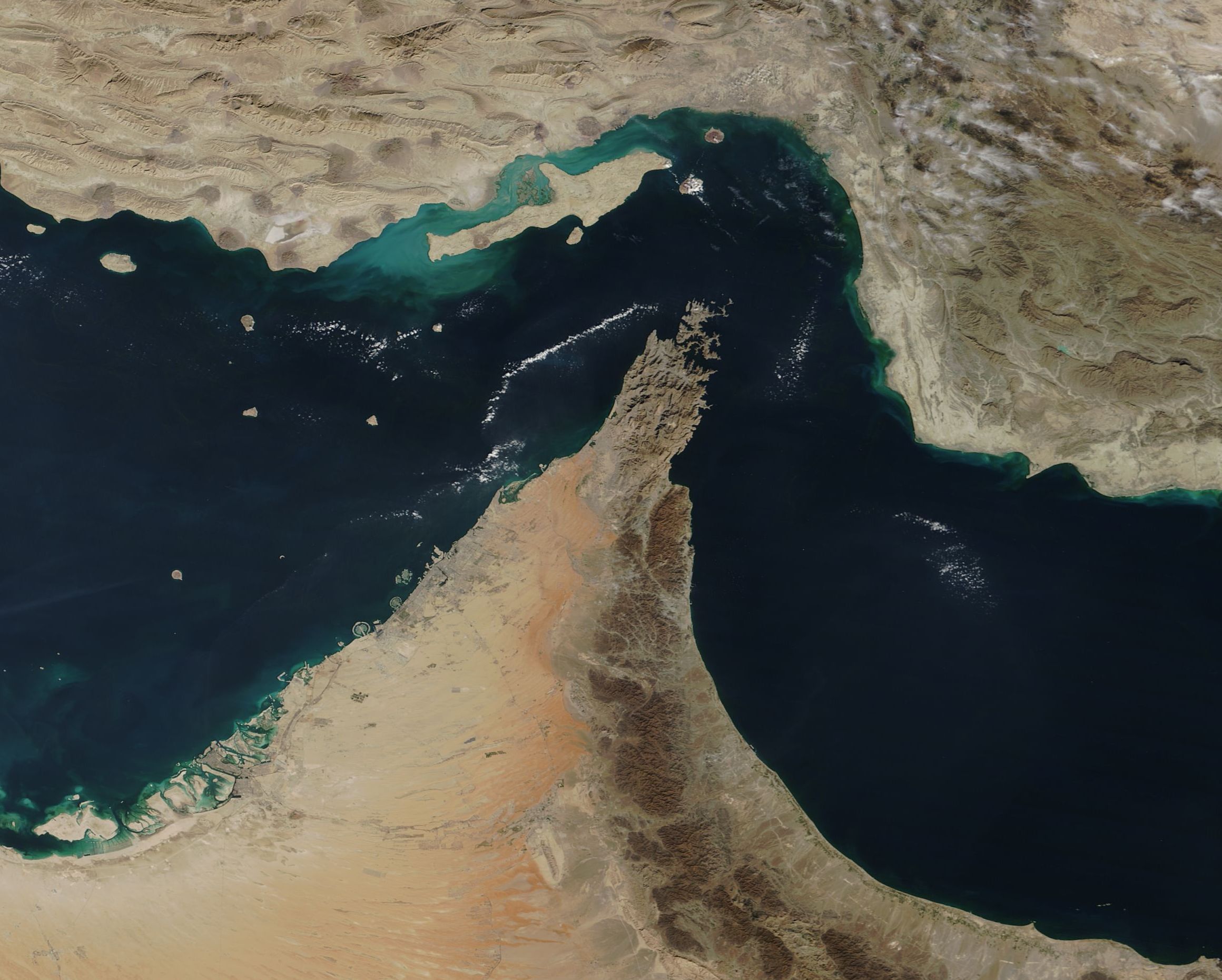
Asian LNG’s price scare looks like a shipping bottleneck before it looks like a fuel shortage.
An LNG vessel caught fire and exploded after hitting a naval mine in the Strait of Hormuz, OilPrice.com reported on Nov. 26, citing Iran’s IRGC Navy.
Reports of tanker traffic through the Strait of Hormuz and fresh mine incidents offer the next test.The risk lands on buyers because the route remains central to the trade. Most Qatari and Emirati LNG shipments still transit the Strait of Hormuz, mepei.com wrote on Nov. 24, and prolonged disruption to the waterway would send spot prices soaring and raise costs for every Asian importer. That does not say cargoes have stopped. It identifies the cost risk if disruption lasts.
OilPrice.com wrote on Nov. 25 that crude oil prices bounced back in early Asian trade after fresh reports of tankers hitting mines in the Strait of Hormuz and a Yemeni Houthi attack on Saudi Arabia that targeted a refinery. The same account said the frequency of the reports, together with data on the average daily flow of energy commodities out of Hormuz, seemed to push prices higher. The LNG read starts from that wider energy reaction, then narrows to the cargoes that still need the waterway.
After liquefaction and loading onto vessels, LNG cargoes can be redirected to alternative ports according to market premiums, spot market signals or urgent requests from buyers, mepei.com wrote. That mobility offers buyers another route to a cargo, but it does not remove the cost risk from prolonged disruption in the Strait of Hormuz. Buyers may have to compete for cargoes that can be sent elsewhere.
A separate item carried the headline, “Strait Of Hormuz Latest: Iran Says More Tankers Hit Mines As Oil Prices Climb And Shipping Fears Grip Markets.” That headline does not prove a lasting closure. It reflects one report’s framing of the risk around mines, oil prices and shipping fears.
LNG cargoes can be rerouted, mepei.com wrote, but they remain exposed to geopolitical turbulence. That pair of facts is the hinge. Flexibility gives buyers a way to seek a cargo from another destination. It does not remove the risk that prolonged disruption to the Strait of Hormuz would raise costs for Asian importers.
The earlier report offered a counterpoint to scarcity fears.
Ras Laffan had loaded an average of about 1.4 LNG cargoes per day since the start of November, expro.com.ua wrote on Jan. 2, citing Kpler data cited by Bloomberg. That report also said European gas prices and Asian LNG prices remained about twice their prewar levels. It described substantial loading alongside high prices at the time, not conditions at the time of the latest route scare.
Expro.com.ua wrote on Jan. 2 that Bloomberg estimated LNG tanker traffic through the Strait of Hormuz was recovering after a slowdown following recent attacks. That earlier estimate shows why a disruption need not become a durable price shock. It does not establish whether tanker traffic is recovering after the latest reports.
MEPEI reports that LNG cargoes can be redirected after loading, but rerouting does not remove their exposure to disruption.
Cargoes can be redirected, so reports of mine incidents are not proof of a hard LNG shortage.
The narrower risk is that prolonged disruption to the Strait of Hormuz would raise spot prices and costs for Asian importers. If traffic recovers and cargoes are redirected, that risk weakens. If mine reports continue and traffic fails to recover, it strengthens.
Asian importers face the direct cost risk because mepei.com tied higher costs to every Asian importer if disruption is prolonged. Asian LNG prices are one public measure to watch, but the evidence does not quantify how importer costs would reach household bills. The narrower exposure belongs to buyers seeking cargo certainty.
Procurement teams face a different problem from traders in crude. OilPrice.com’s account describes crude oil prices bouncing back after tanker mine reports and the Saudi refinery attack. LNG cargoes can be redirected according to premiums, spot market signals and urgent buyer requests, mepei.com wrote. For LNG buyers, prolonged disruption would raise the cost of securing cargoes.
Shipping firms and cargo buyers also face an information problem.
A Jan. 2 report cited a Bloomberg estimate that LNG tanker traffic through the Strait of Hormuz was recovering after an earlier slowdown. More recent reports describe mine incidents, while mepei.com warns that prolonged disruption would raise costs for every Asian importer. The earlier traffic estimate cannot establish whether crossings are recovering after the latest incidents.
Reports of tanker traffic through the Strait of Hormuz and fresh mine incidents offer the next test. If traffic keeps recovering while cargoes are redirected, the price scare should lose force; if mine reports continue and traffic fails to recover, Asian importers remain exposed to higher costs from prolonged disruption.
What would change it. LNG tanker traffic through the Strait of Hormuz keeps recovering while cargoes are redirected.
Sources
OilPrice.com Nov. 26, Nov. 25mepei.com Nov. 24com.ua Jan. 2ibtimes.com.au Nov. 26
15 statements, each tied to its sourceWhat each statement rests onHow ARCANE checks a story