India gives banks more room to manage cash reserves
The average reserve rule still applies, so scheduled banks carry the first effect through daily cash management.
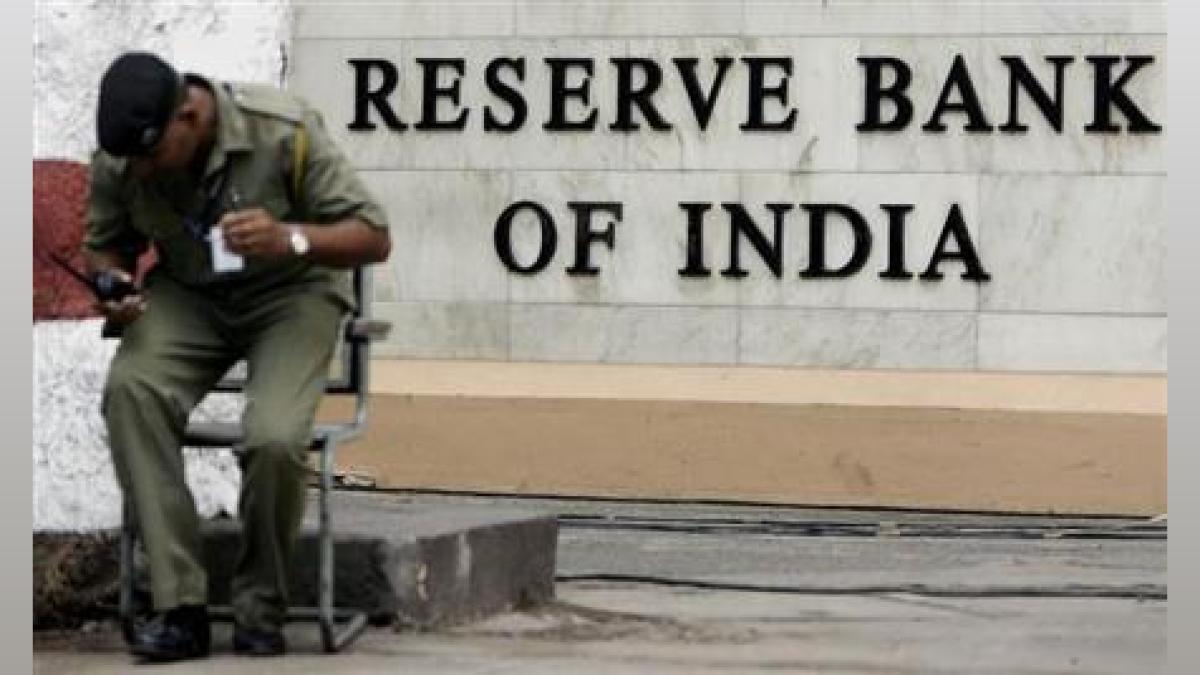
India's reserve move gives banks daily flexibility without lowering the average reserve rule. The minimum daily maintenance of the cash reserve ratio falls from 99 per cent of the requirement to 90 per cent from the next reporting fortnight, Money Rediff reported on Nov. 27, citing a central bank notification.
Banks cannot lend or invest the cash they must keep as reserves with the central bank. ETV Bharat reported on Nov. 27 that banks earn no return on those reserves and that the reserve ratio stands at 3 per cent of deposits. Easing the daily minimum gives banks more room to handle cash needs that change from one day to the next; it does not turn required reserves into money they can put to work permanently. A bank can hold less reserve cash on a tight day and make up the difference on another day. That flexibility may ease a short-lived squeeze, but it does not lower the amount the bank must hold on average.
The chain began with a tightening. A Nov. 27 account said the central bank's October 9 directive raised the daily maintenance floor, took effect October 16 and followed a review of liquidity conditions. The latest decision reverses that change.
The next link was the fading of excess cash. Money Rediff reported on Nov. 27, citing PTI from Mumbai, that the Reserve Bank of India cut the minimum CRR maintenance requirement for banks back amid a decline in surplus liquidity in the banking system.
That sequence makes the move less sweeping than a rate cut and more direct than a statement of comfort. A Nov. 27 report said the central bank had lifted the daily requirement in October, when the banking system held surplus liquidity.
The part that can be missed is the average. The Open Press reported on Nov. 27 that the decision does not change the overall cash reserve ratio rate or the average reserve requirement over a fortnight, so the relief is about timing inside the period rather than the total cash requirement.
A Nov. 27 report said scheduled banks must meet the revised daily floor on each day of the reporting fortnight. That gives a bank room to handle day-to-day cash swings, while the average reserve requirement over the fortnight remains in place.
The definition matters because CRR cash is idle by design. Times of India described the Cash Reserve Ratio as the part of deposits held as cash reserves with the RBI, and ETV Bharat reported on Nov. 27 that banks do not earn returns on that money.
The move can also be read as a simple reversal after surplus cash faded. That reading fits the sequence reported by Money Rediff and ET Now News: liquidity was abundant when the floor was raised, and the new cut came after surplus liquidity declined.
The limit on that reading is the unchanged average rule. CNBC-TV18 reported on Nov. 27 that the October circular had allowed scheduled banks to meet a daily minimum only if average daily maintenance remained at or above the mandated level, which is the same control the new revision retains.
Banks Get Room First
Bank treasury teams gain first because the rule changes the daily path of cash, not the average obligation. CNBC-TV18 reported on Nov. 27 that the revision gives banks greater flexibility in managing daily liquidity while retaining the prescribed CRR on an average basis over the reporting fortnight.
For households, the direct effect runs through bank funding and pricing rather than an announced change in the reserve rate. On the reported rules, savers and borrowers would notice the move only if easier daily liquidity changes how banks price deposits or loans, and the cited reports give no retail rate print.
Money market holdings and short-dated bank funding are closer to the hinge. If daily liquidity stays easier while the average requirement holds, banks get timing relief without a lower reserve bill; if the floor rises again, the cost returns as a cash-management constraint.
The next link is the reporting fortnight beginning December 1, 2026. The reading holds if RBI notifications leave the average requirement intact while banks operate under the lower daily floor; it weakens if the central bank changes either side of that bargain.
What would change it. The read breaks if the RBI raises the daily floor again or changes the average reserve requirement over the fortnight.
Sources
cnbctv18.com Nov. 27indiatimes.com Nov. 27rediff.com Nov. 27etvbharat.com Nov. 27theopenpress.in Nov. 27etnownews.com Nov. 27
16 statements, each tied to its sourceWhat each statement rests onHow ARCANE checks a story