Insurance moved ahead of every other price in the Gulf
The underwriters priced the strait shut before any government dared to say it out loud, and now every barrel that moves does so on their terms.
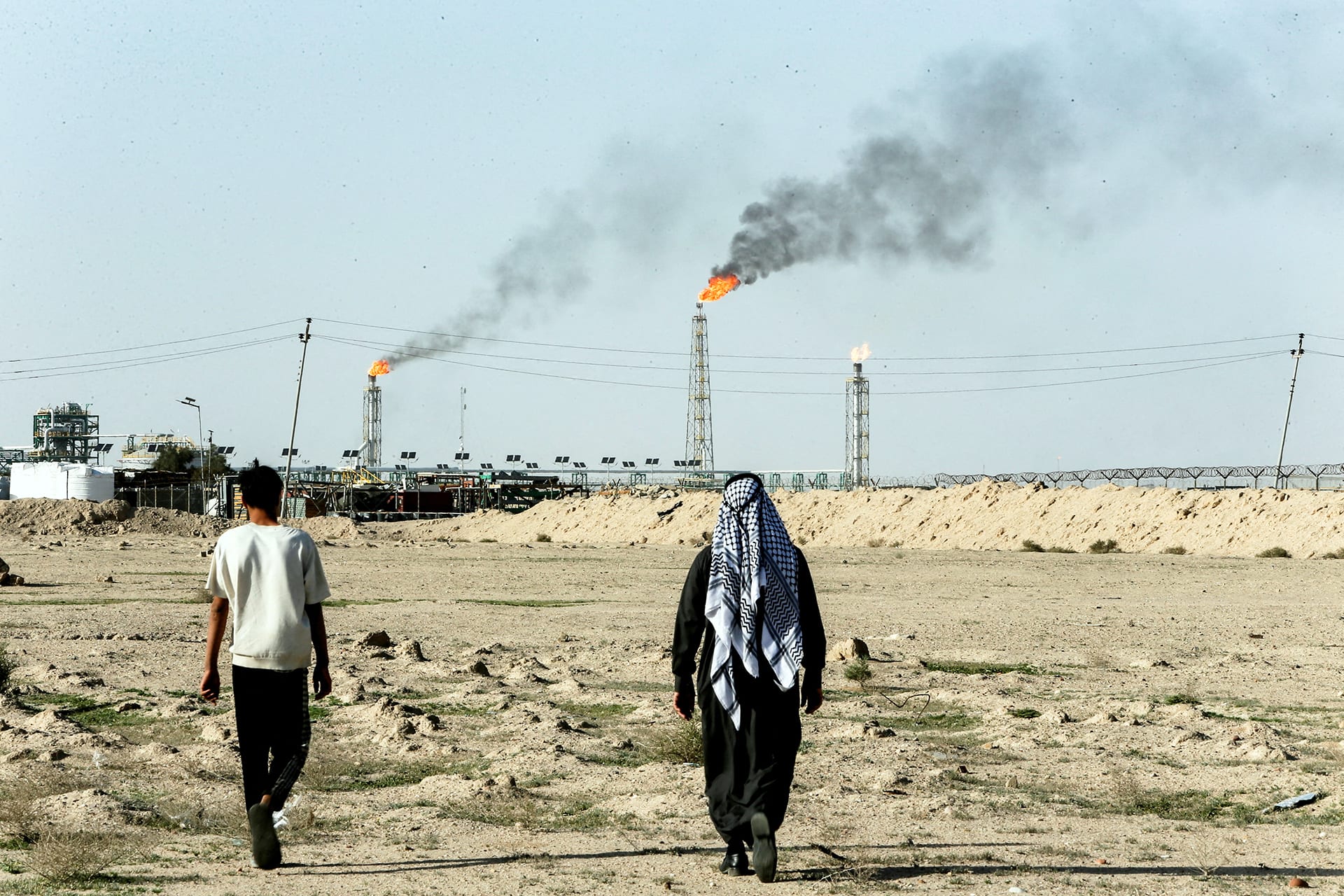
One oil tanker made the crossing on a recent Thursday — one, through the strait that carries a fifth of the world's oil, and the lowest count since May 7. Maaal reported the figure in August 2026.
The ships have stopped waiting for either Washington or Tehran to be right about Hormuz. Earlier this month UK Maritime Trade Operations logged just nine tankers in seventy-two hours, according to Ajel English's citation of UKMTO on August 11. The American president insists the waterway is open, Iran insists it is shut, and Donald Trump said outright on August 18 that no talks were taking place with Tehran even as both governments claimed control of the same water (US News, Aug 18).
The contradiction underneath is about money. War-risk premiums for a single Hormuz transit have tripled and now cost around $21 million per voyage — the Eastern Herald put the figure at $21 million on July 24 — holding at 7.5 to 10 percent of hull value even as the strait partly reopens, CruxBrief reported on August 13.
Before the war, cover for the passage ran between 0.02 and 0.05 percent of a ship's value, according to bssc.pl on March 29. That is a repricing by two hundred times or more. A shipowner can physically sail the strait. What he cannot do is explain to his board why he bet the hull on it.
Insurance moved first because its losses are personal. Freight rates can be paid and recouped in a charter dispute. Oil prices absorb a risk premium quietly. But an underwriter who writes a policy at yesterday's rate and loses the ship eats the entire loss personally, so the people with capital at risk reprice within days, sometimes hours.
Brokers quoted Gulf cover at as much as a tenth of a vessel's hull value in July, AGBI reported on July 21, and a senior manager at Marsh said underwriters were growing reluctant to write Hormuz business at all even as attacks intensified, according to S&P Global Commodity Insights on July 22. The premium is the market's honest opinion, delivered before anyone's foreign ministry will give theirs.
The shipowners, mostly Greek, Chinese and Emirati interests flying assorted flags, want to sail because idle tonnage burns money and their charters pay on delivery. The London mutuals and the Joint War Committee want either a premium that compensates the true risk or no policy at all, and they have chosen the second where the first cannot be computed.
Washington wants the strait declared open without committing the naval escorts that would make it so. Iran wants the waterway recognized as its lever while avoiding the strike on Gulf Arab oil infrastructure that would finish off its own economy. The Gulf states, Saudi Arabia and the UAE above all, want their exports flowing and are caught paying the toll either way.
Washington buys cover
Washington did try to buy its way past the underwriters. President Trump directed the US International Development Finance Corporation into war-risk cover in early March — Breitbart reported the directive on March 3 — and DFC partnered with Chubb on a maritime reinsurance program worth up to $20 billion, Yahoo Finance reported in 2026, later expanded to $40 billion total capacity with additional American insurers joining, according to Beinsure in 2026.

It has not worked. Two months after launch, not a single dollar of coverage had been provided, the Financial Times reported via The Cradle on May 18, and Chubb chief executive Evan Greenberg told investors on the April 22 earnings call, as carried by Insurance Business Mag, that the scheme was built to sit behind a US-run convoy system which has never materialized at scale. A $40 billion guarantee with no escorts is a promise the owners can read straight through, which is exactly what they did.
The trigger this summer was the strikes on Iran and the mining and missile campaign that followed. The slow pressure is older: roughly a fifth of the world's oil leaves through a passage where the shipping lanes narrow to about two miles wide, with no alternative route, as an August 2026 analysis of the chokepoint laid out.
Every crisis since 1984 has taught the insurance market the same lesson, that the strait is one incident away from being unusable, and each crisis ratchets the baseline higher. This year simply removed the last doubt. Ships are now masking their identities to cross, switching transponders off as they pass Bandar Abbas, Al Jazeera reported on August 20, which tells you the remaining traffic is desperate traffic.
1984 offers the counter-case
In the Tanker War of 1984 to 1988, Iraqi and Iranian attacks on merchant shipping pushed Lloyd's premiums from a fraction of a percent toward several percent of hull value per transit, and the market stayed open because underwriters kept writing and navies kept reflagging Kuwaiti tankers. When the ceasefire came, rates fell back within weeks.
The counterargument to today's panic is exactly that: premiums are elastic, they collapse when the shooting stops, and the current quotes could halve on one signed document. What is different now is scale and speed. Modern war risk is concentrated in fewer hands, a single transit costs tens of millions rather than hundreds of thousands — the Eastern Herald's July 24 figures again — and there is no equivalent of the 1980s reflagging surge ready to move.
Asian refiners buying Gulf crude pay more first, either in freight, in insurance passed through the charter, or in the discount demanded to load at all. The shadow fleet profits next, because ships already sanctioned and already excluded from mainstream cover lose less from losing it; Lloyd's List Intelligence tracked four shadow-fleet tankers shifting into compliant trades through Hormuz as legitimate owners pulled back, reporting on August 12.
The Gulf states themselves start self-insuring and routing around the market, which is how a regional insurance hub dies.
Qatar's LNG cargoes face the same arithmetic, and fertilizer flows through the strait are exposed alongside fuel, Gulf News reported on March 5.
Who pays is settled. The shipowner first, then the Asian refinery, then the motorist months later. Who profits is narrower. The few underwriters willing to write at the top-of-market rates quoted in July are earning a year of ordinary premium per voyage, per AGBI's July 21 quotes, and the tanker owners whose vessels are already covered under annual policies struck before March are carrying cargo their competitors refuse. The rest of the industry is running its fleet on hope and hull value.
Watch the premium, not the press conferences. Quoted Hormuz war-risk rates falling below 1 percent of hull value without escorts would mean underwriters see a durable settlement. The read breaks if the DFC-Chubb facility actually binds its first escorted convoy and transits recover within weeks, proving the state backstop, not the private market, was always the real price-setter.
Either way the sequence is fixed. The strait opens when London says it does, not when Washington or Tehran announce it. The most powerful voice in the Persian Gulf this year speaks from Lime Street, and it charges by the voyage.