OPEC+ faces a glut problem before its meeting
Iraq wants more room to pump as oil markets weigh the prospect of excess supply.
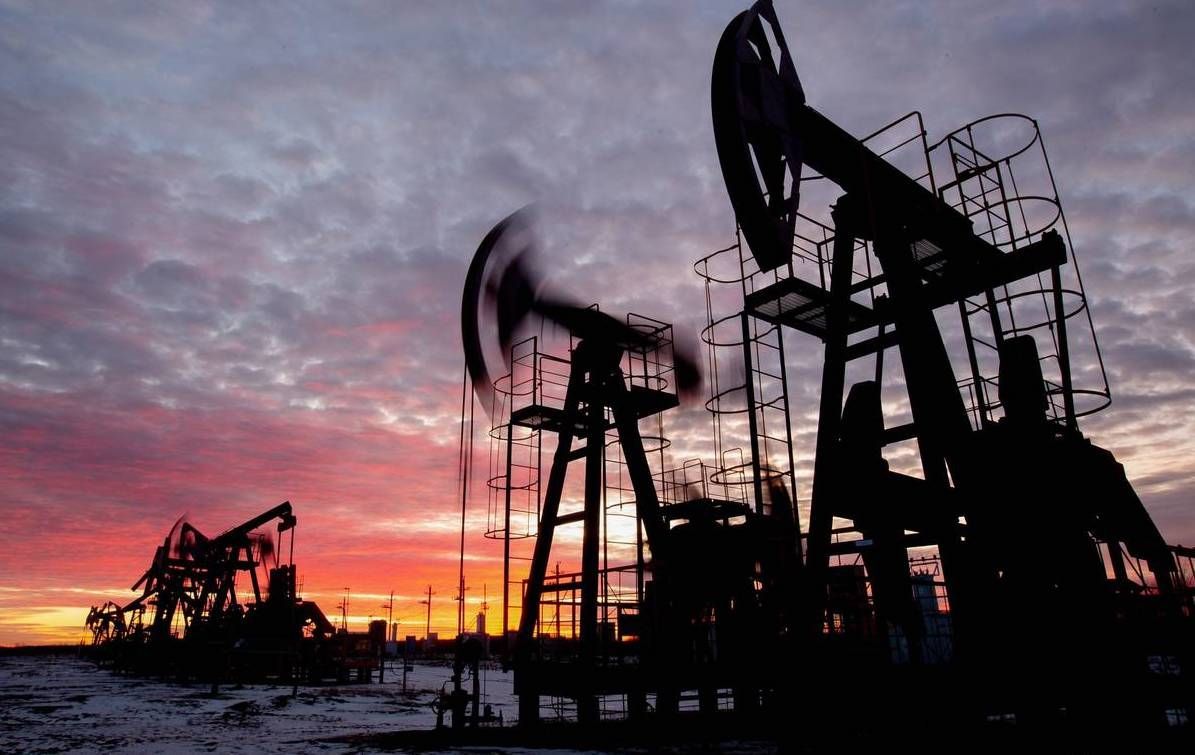
Oil's fall now looks less like fear over the Middle East than a bargaining problem inside OPEC+. "Investors are preoccupied with the thought of supply exceeding demand," Tamas Varga, an oil analyst at PVM, said in a Reuters report Wednesday.
SRN News reported on Nov. 25 that OPEC+ ministers will hold a series of meetings on November 29 to decide on their 2027 output policy. The group faces a price market shaped by surplus fears while members seek more room to produce in the future.
thestar.com.my reported that Iraq is pressing OPEC+ to lift its estimate of the country's crude oil production capacity, citing four people familiar with the matter. For Iraq, a higher estimate would improve its claim on future output; for the group, the request adds friction while traders focus on excess supply.
Reuters also quoted Zhenqiang Seto, a senior research specialist for oil at LSEG, saying uncertainty around OPEC's policies, the UAE no longer being restricted by OPEC+ policies, Iraq seeking higher oil output capacity and broader market risk-off were reasons for the move. The comment cuts against the usual wartime script for crude: the supply risk is visible, but the capacity fight is setting the price tone.
Reuters reported Wednesday that crude oil prices fell as the prospect of a market surplus offset concern about disruptions to Middle East exports. The Star described the same move from Tokyo, saying prices pared earlier gains as rising supply and the prospect of a surplus offset disruption worries.
SRN News quoted Tsuyoshi Ueno, senior economist at NLI Research Institute, saying that since the release of an IEA report this month, perceptions of a global supply glut have kept prices in check. His account puts the market's attention on excess supply.
The Star also reported that China and India are on track for record Russian oil imports this year, plugging a supply gap caused by the Iran war, according to tanker data and industry sources. That flow does not erase the risk around the Gulf. It shows buyers finding barrels while the headline risk remains unsettled.
Analysts told PTI that recovering output from the Persian Gulf and record oil flows through the Strait of Hormuz have eased concerns about supply availability. That evidence belongs on the surplus side of the ledger, because it describes more oil moving through the route at the center of the disruption fear.
The disruption case still has evidence. A report on BigGo Finance said tanker attacks near the Strait of Hormuz continue, even as rising crude exports from the Persian Gulf have left prices churning under supply glut concerns. The same report said Iran's threats to tighten control of the strait could bring shipping delays and soaring insurance premiums if carried out.
The Capacity Fight
The capacity fight has a blunt incentive. thestar.com.my reported that Iraq's push is heightening tensions over a review that will help determine how much members can pump next year. If the estimate rises, Iraq gains a stronger claim to future output, even as traders weigh the prospect of excess supply.
A report on BigGo Finance said the shift of Dubai crude, the pricing benchmark for Middle Eastern oil, into a contango structure this week was read as a signal that supply is outpacing demand. That market signal sits on the same side as the analyst quotes, and it is harder for OPEC+ to dismiss than a single price move.
Analysts told PTI that crude oil futures are likely to remain volatile next week, with investors tracking the upcoming OPEC+ meeting and developments around the Strait of Hormuz. They also said traders will monitor weekly crude stock data from the American Petroleum Institute, US crude oil inventories, Cushing stock levels and Energy Information Administration figures for clues on the demand-supply balance.
For a retail holder of an oil-linked fund, the direction is plain. If surplus concern keeps crude falling, that holding loses the price support that Middle East disruption would otherwise offer. If Strait of Hormuz disruption brings shipping delays and soaring insurance premiums, the same exposure would benefit from a tighter physical market.
Physical oil traders face the mirror image. On the BigGo Finance reports, rising exports and the Dubai crude signal point to easier prompt supply, while a disruption around the Strait of Hormuz would push cargo costs higher before any OPEC+ policy change reaches the market.
SRN News reported that OPEC+ ministers will meet on November 29; a policy that lifts capacity claims or output room would confirm that supply politics still beats disruption fear, while a restrictive policy would break that reading.
What would change it. A restrictive decision that cuts against Iraq's capacity push would break the surplus reading.
Sources
AOL Nov. 25SRN News Nov. 25com.my Nov. 25indiatimes.com Nov. 22BigGo Finance Nov. 25
22 statements, each tied to its sourceWhat each statement rests onHow ARCANE checks a story