Thanksgiving drivers get only partial relief from gasoline prices
Drivers face lower gasoline prices than in recent weeks but a higher price than last year, while most Thanksgiving travelers are expected to drive.
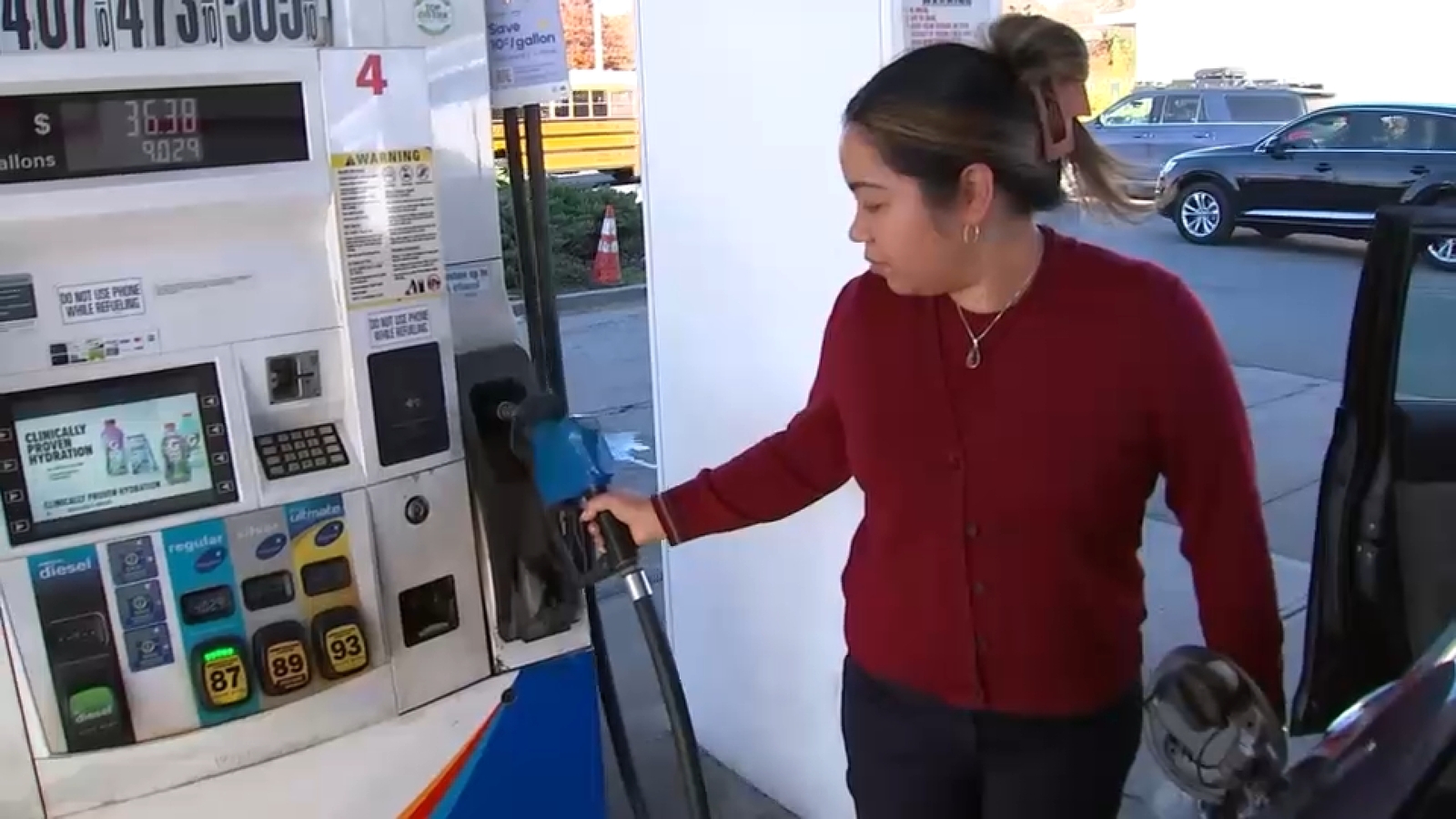
Gasoline prices have fallen, giving Thanksgiving drivers some relief, but they remain higher than last year. The national average for regular gas was $3.81 per gallon Monday, compared with $3.07 per gallon last year, patch.com reported.
The holiday is not small enough for the pump price to be a footnote. According to AAA’s 2026 Thanksgiving travel forecast, cited by flybangor.com on Nov. 18, approximately 81.5 million Americans are expected to travel 50 miles or more from home between November 24 and November 30. Nearly nine in 10 Thanksgiving travelers will drive, patch.com reported, with AAA projecting 72.9 million road trips, down from 73.1 million last year.
The relief is recent rather than absolute. WABC said on Nov. 20 that analysts put the national average down 19 cents from last week and 51 cents lower than last month. On that arithmetic, the earlier averages were $4.00 and $4.32, which explains why a driver can feel a price break even while paying more than last year.
Patch.com reported that gasoline prices had fallen over the past week, but motorists could expect to pay more than last year. It also said that, if prices hold, gasoline would be more expensive this Thanksgiving Day than any previous year.
The important split is timing. Gasoline fell before many travelers fill tanks, but the year-over-year comparison is what decides whether the trip feels cheaper than the previous holiday. Those are different benchmarks, and the public reports point in opposite directions on them.
AAA’s own travel language points the same way. Thanksgiving travel is expected to dip slightly this year due to higher fuel prices, although Virginia travelers may not see that much difference on the roads and in airports, AAA said in a report carried by patch.com on Nov. 20. AAA says gas prices have fallen from recent highs but remain significantly higher than they were last Thanksgiving, in a report carried by www.lex18.com on the same day.
On those travel counts, the outlook for road trips looks broadly resilient: AAA projects 0.2 million fewer than last year, against a forecast of approximately 81.5 million Americans traveling by all means.
The broader travel forecast is slightly below last year’s record-setting holiday, flybangor.com said, while Thanksgiving remains one of the busiest travel periods of the year. A notice from www.phoenix.gov described Thanksgiving as historically one of the busiest travel periods at America’s Friendliest Airport ® .
A busy-airport notice does not establish gasoline demand. The reports describe a busy travel period, a lower pump price than in recent weeks and a higher one than last Thanksgiving.
Patch.com reported that the expected slight dip in Thanksgiving travel was due to higher fuel prices. ABC7NY.com reported that the travel figure was 100,000 fewer travelers than last year.
That does not make the price fall irrelevant. A household now sees a lower pump price than last week and last month, even as gasoline remains more expensive than last Thanksgiving.
Who Pays if Relief Stalls
If the national average keeps falling during the travel window, households gain spending room against recent prices. If it stays above last year’s level, they still face a higher holiday pump price than last year.
For gasoline traders, the recent decline argues for lower prices, while the still-higher year-over-year price and the road-heavy travel mix argue against treating the move as finished. For travel planners, the public forecasts still describe one of the busiest travel periods of the year.
A household budget and a gasoline trading book therefore react to different parts of the same reports. The budget benefits from a falling pump price before departure. The trading book loses conviction if the public price stops falling while road travel remains the dominant way people move for the holiday.
The risk to the softer-price view is visible in the same numbers. A small projected drop in road trips alongside a large holiday travel forecast argues against assuming a broad decline in driving. The risk to the costly-holiday view is a faster price decline before Thanksgiving Day.
Between November 24 and November 30, the public test is whether the national average keeps falling while remaining above last year’s level. That combination would mean relief against recent prices, but not against last Thanksgiving.
What would change it. A fall to last year’s level or below breaks the costly-holiday side; a renewed rise breaks the relief side.
Sources
patch.com Nov. 20abc7ny.com Nov. 20flybangor.com Nov. 18lex18.com Nov. 20phoenix.gov
19 statements, each tied to its sourceWhat each statement rests onHow ARCANE checks a story