U.S. Treasury’s long bond buybacks temporarily lower yields but relief quickly fades
Accelerated purchases of thirty-year debt briefly pushed yields down, but rising rates resumed within days as the impact proved short-lived.
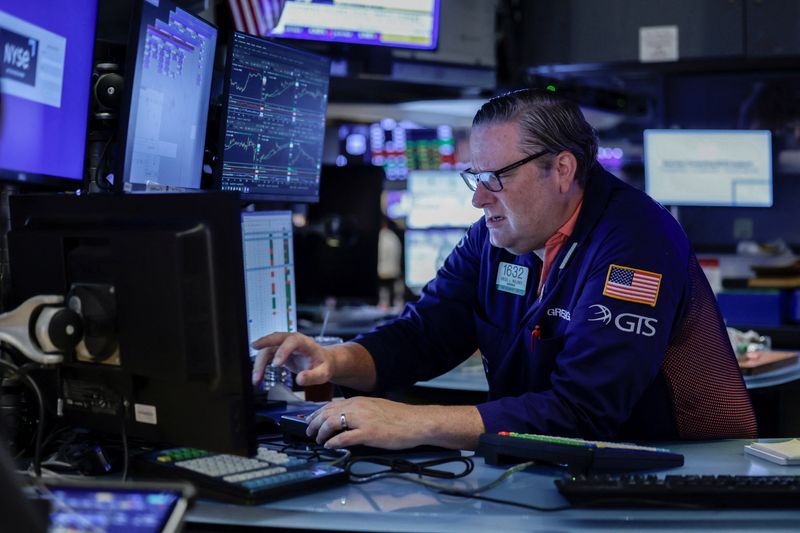
On Wednesday, the U.S. Treasury doubled its long-dated bond buybacks to $4 billion per operation, and Secretary Scott Bessent told Bloomberg on August 20 that the program could go well past that figure. By the next day, Euronews reported the national debt had surpassed $40 trillion for the first time, as of August 20.
Now the government borrowing more than anyone in history is spending this borrowed money to hold down the interest rate on its longest borrowing — a direct intervention run by the Treasury, not the Fed. The world’s largest debtor is defending the price of its own thirty-year promises with short-term money, but the initial rally lasted just three trading days before yields began to rise again. Whether this defense can hold will shape mortgage rates, the price of gold and bitcoin, and decide who ends up exposed to a maturity wall that keeps getting shorter.
Investing.com wrote on August 21 that the 30-year Treasury yield touched 5.34 percent on Tuesday, its highest since 2007, after rising nearly 40 basis points since late June, with Banking News corroborating this on August 18. After the buyback announcement, CoinDesk reported the yield fell back to around 5.19 percent within a day, as of August 22.
By Thursday, relief was already evaporating. Yahoo Finance noted on August 20 that the 10-year yield rebounded above 4.7 percent from a Wednesday low near 4.64 percent, and Investing.com showed the 30-year yield nearing 5.23 percent again by August 21. One doubled buyback bought about fifteen basis points and three trading days.
The buyers demanding more are still present and identifiable. The traditional marginal buyer of the American long bond was Japanese, but that buyer has exited.
With the yen trading near 164 to the dollar, Tokyo began large-scale yen purchases on July 30, with the Federal Reserve Bank of New York selling euros for yen — the first joint intervention of its kind in about fifteen years, according to The Economy and All Things World in August 2026.
Benjamin Capital Research, in August 2026, calculated that a 30-year Treasury yielding around 5.07 percent nets a Japanese investor approximately 2.17 percent after deducting about 290 basis points in hedge costs, compared to nearly 3.93 percent available domestically on Japan’s own 30-year bonds. Insurance Business Magasia reported in 2026 that Japanese midsize life insurers are reducing superlong exposure for similar reasons.
The buyers are gone
The former primary buyer has departed; someone new must be found. Treasury buybacks retire older, less liquid long bonds using new short-term bill issuance, so each $4 billion purchase at the long end means $4 billion more in short-term bills (Boston Globe, Aug 20).
Mish Talk reported in August 2026 that July’s $432 billion deficit shows the ceiling: Treasury’s firepower to support the long bond effectively means swapping longer debt for shorter, hoping short rates stay below long rates. Bessent is trading duration for fragility, deal by deal. He also pledged a new fiscal initiative to address borrowing costs, which, as Bloomberg wrote on August 20, amounts to an acknowledgment that manipulating demand alone won’t suffice.
NAI500 noted on August 17 that an oil rebound revived inflation concerns, pushing long yields to highs not seen since June 2007. Underneath, the pipeline keeps flowing: issuance rises, the Fed is no longer absorbing duration, and BeCoin observed on July 18 that private buyers now demand a larger premium to hold thirty-year risk. Banking News, on August 18, reported that one analysis attributes about 90 basis points of today’s 30-year term premium to the shift in holders over the past decade — from official reserves to price-sensitive private money.
A yield set by hedge funds and insurers moves like a market price, not central bank policy. This week, the Treasury flinched first.
Liz Truss’s unfunded tax plans in Britain met a bond market without a committed long-duration buyer, yields spiked, and the Bank of England had to move within days to rescue pension funds stuck by their own hedges. Britain’s lesson in autumn 2022 was that a developed sovereign’s long end can break away from its central bank’s grip faster than any committee can react. Washington is now testing this from the fiscal side, except here the intervenor is the borrower itself.
Japan’s bond disruption this year, State Street Global Advisors wrote in 2026, resembled the Truss experience but didn’t become systemic: Japanese pensions hold bonds unlevered, and insurers were mostly neutral sellers cashing in equity gains. Structure counted more than headline yields. America has deep pools of unlevered demand too — pension funds and annuity accounts that buy on weakness. The buyback was a signal aimed at these pools: the floor is defended, join us. For a moment, they did, and stocks closed higher as a result, Anadolu Agency reported on August 20.
Mortgage rates echo the 30-year: BeCoin noted on July 18 that they were already near 6.55 percent, the highest since September. Each basis point Bessent buys is a basis point off new home loans.
Trading long bonds for bills means the Treasury refinances itself every few months instead of every thirty years, shifting power over government borrowing costs to money-market funds and short-term rates. Mish Talk in August 2026 reported that gold surged with the intervention, markets reading it as a sign that the Treasury will eventually tolerate more rapid money creation. CoinDesk, on August 22, noted that bitcoin jumped 25 percent from $64,000 to $78,500 in three days — the same story, seen from a different market.
Who pays and who profits
Not Bessent — not this quarter. The bill comes due for those left holding the shorter maturity wall if short rates don’t drop, and for homebuyers if the defense fails and the 30-year climbs again from 5.2 percent to the 5.34 percent peak, as Investing.com reported on August 21. Early long-bond holders got a government-provided exit. Foreign holders, especially Japan, watching hedge-adjusted returns lag domestic alternatives by two points, received neither an exit nor a narrative — just evidence that the world’s largest debtor is now managing its own borrowing cost.
The read confirms itself if the Treasury ramps up buybacks past $4 billion, as Bessent suggested, or combines them with spending cuts in a formal fiscal move (Bloomberg, Aug 20). It breaks if a 30-year auction fails even as buybacks continue, exposing intervention as mere liquidity support, or if the 30-year yield breaks through its prior high despite everything. The next refunding notice and actual auction demand matter more than any statement.
Markets once imposed discipline from outside. Now the discipline runs inside, with the borrower setting the price of its own credit, and each intervention teaches the next seller that waiting is rewarded.