The US bought little yen as Japan warned traders again
A small US trade puts more weight on the Bank of Japan rate path for households, funds and companies with yen exposure.
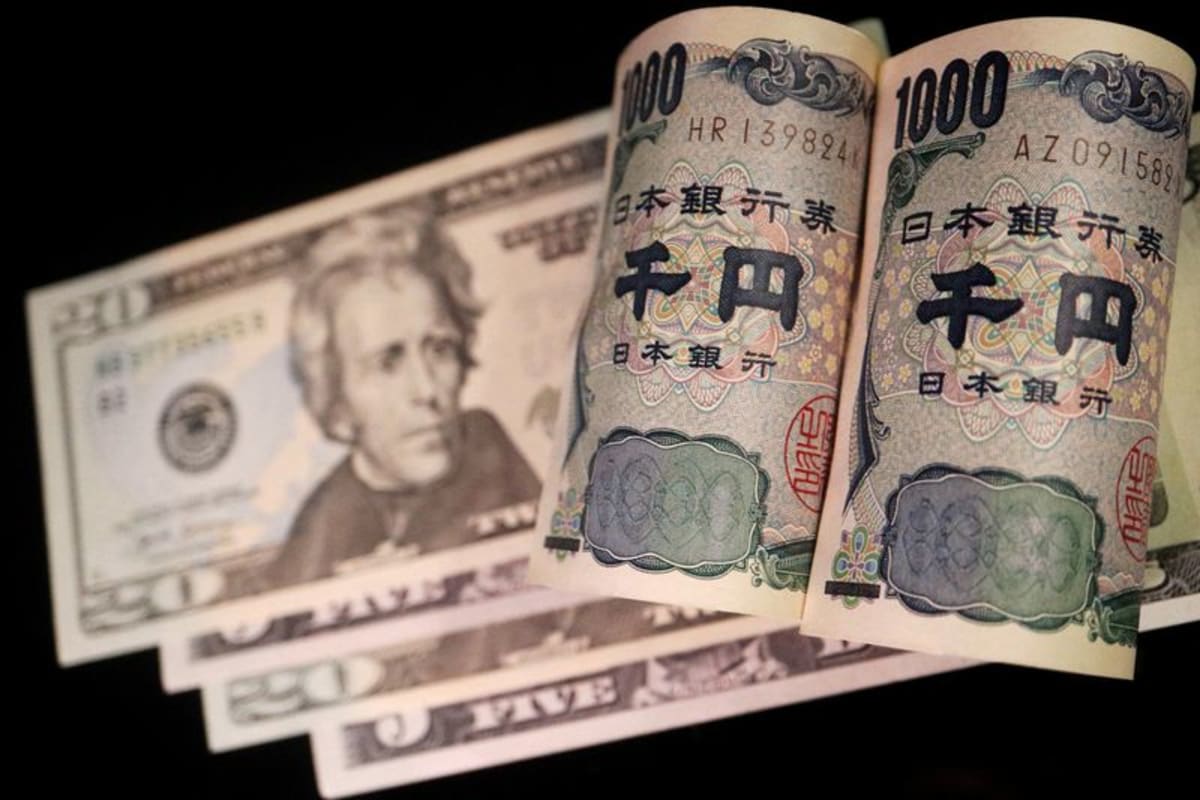
Japan’s warning looks weaker because Washington’s summer help was mostly symbolic. Atsushi Mimura, Japan’s top currency diplomat, warned market participants Thursday it is “too early to forget” this summer’s intervention as the yen again edged towards 160 to the dollar, Reuters reported.
The warning matters because the US contribution was small at the moment Japan wanted a shared show of force: ActionForex wrote on Nov. 13 that the US transaction amounted to just 0.5% of Japan’s quarterly intervention total. AOL reported that when the interest-rate gap between the Fed and the Bank of Japan drives the currency, intervention can slow the move but rarely reverse it. That makes Japan’s rate path more consequential than another small US purchase.
This is a credibility problem, not a paperwork problem. Japan can still spend heavily, warn loudly and coordinate with the US. Yet a trader deciding whether to test the yen again now has two separate facts to weigh: Washington joined the summer operation, and the public record says its financial commitment was modest compared with Tokyo’s.
The New York Fed said it bought 79.4 billion yen ($497.37 million) in the spot market on July 31, selling euros from the Exchange Stabilization Fund. That action matters because it was real money, but the account also fixes its size and source.
Japan’s Ministry of Finance acted in coordination, intervening “in the amount of 15.4 trillion yen” during the quarter to counter what it saw as excessive volatility and disorderly yen moves, the New York Fed added. The comparison leaves Washington as a partner in form and Tokyo as the balance sheet behind the trade.
The purchase was the first US yen-buying intervention since 1998, and Washington acted alongside Tokyo to support the Japanese currency. That cuts both ways. The first US entry in decades raises the diplomatic weight of the warning, while the published size limits its market weight.
Bessent said on August 2 that the US “will not hesitate to participate in further joint intervention,” while repeating calls for further interest rate hikes by the Bank of Japan. The sentence gave Japan useful cover, but it also pointed to the condition Washington wanted attached to any repeat performance.
Tohru Sasaki, chief strategist at Fukuoka Financial Group and a former Bank of Japan official, told Reuters that “there have been several cases of coordinated intervention, but always the US didn’t spend so much money.” The comparison that follows shows how small the US purchase was beside Japan’s intervention. Coordination may be common, but size still signals resolve.
Washington still gained something from being seen in the trade. ActionForex wrote that the comparison covers different periods and that the US political and signaling value may have been considerably greater. A signal can deter if traders think it will be repeated; it loses force if they think it was a one-off courtesy.
The Rate Gap Did Not Go Away
The dollar’s latest strength came with expectations that the Federal Reserve will raise interest rates after hot US inflation data and hawkish remarks from policymakers. That gives yen sellers a cleaner argument than defying Japan alone: they can say they are following the rate difference until the Bank of Japan changes it.
Most economists expect the Bank of Japan to raise rates in December, narrowing the rate gap that intervention could not close, an AOL market note said Thursday. If that happens, the summer operation will look like a bridge to monetary policy. If it does not, the bridge ends in another warning.
Finance Minister Katayama warned of “sharp, one-sided movements” and said Japan “will respond appropriately,” ActionForex wrote. That phrasing leaves officials room to wait. It tells traders that pace and disorder matter, not only the round number that has become the public tripwire.
AOL reported that Japan has shown it will defend the yen near 160 and that the Finance Minister said Japan would respond to sharp, one-sided moves while working closely with the U.S. The issue is how many times that threat can be used before traders demand evidence that policy, not only intervention, has shifted.
The public price is back at the line officials keep naming. ActionForex described a summer retreat in USD/JPY during the intervention period, while Reuters reported that the dollar later hit its strongest level in more than two months against the Japanese yen. The sequence supports Mimura’s warning and also explains why words alone look thinner now.
A household with yen income and dollar expenses loses purchasing power when the dollar rises against the yen; dollar cash set aside for yen purchases gains buying power on the same move. That household does not need to forecast intervention to know what price matters. The public dollar-yen quote carries the pressure directly.
Currency funds and corporate treasurers face a different split. If Japan acts and the Bank of Japan follows with higher rates, dollar-yen positions that leaned on the old rate gap can be squeezed. If the rate gap remains the driver, repeated warnings become a cost of staying in the trade rather than a reason to leave it.
The December Bank of Japan decision is the clean test. A move to the expected 1.5% would strengthen Japan’s warning; no such move would leave intervention fighting the rate gap that officials and market notes say cash alone rarely reverses.
What would change it. The Bank of Japan policy rate does not reach the expected 1.5%, leaving the rate gap cited in the pack in place.
Sources
AOL Nov. 12actionforex.com Nov. 13ts2.tech Nov. 12
25 statements, each tied to its sourceWhat each statement rests onHow ARCANE checks a story