Trump’s Iran turn lifts oil and revives inflation risk
Gulf energy producers and fuel users pay more if war risk keeps a floor under crude.
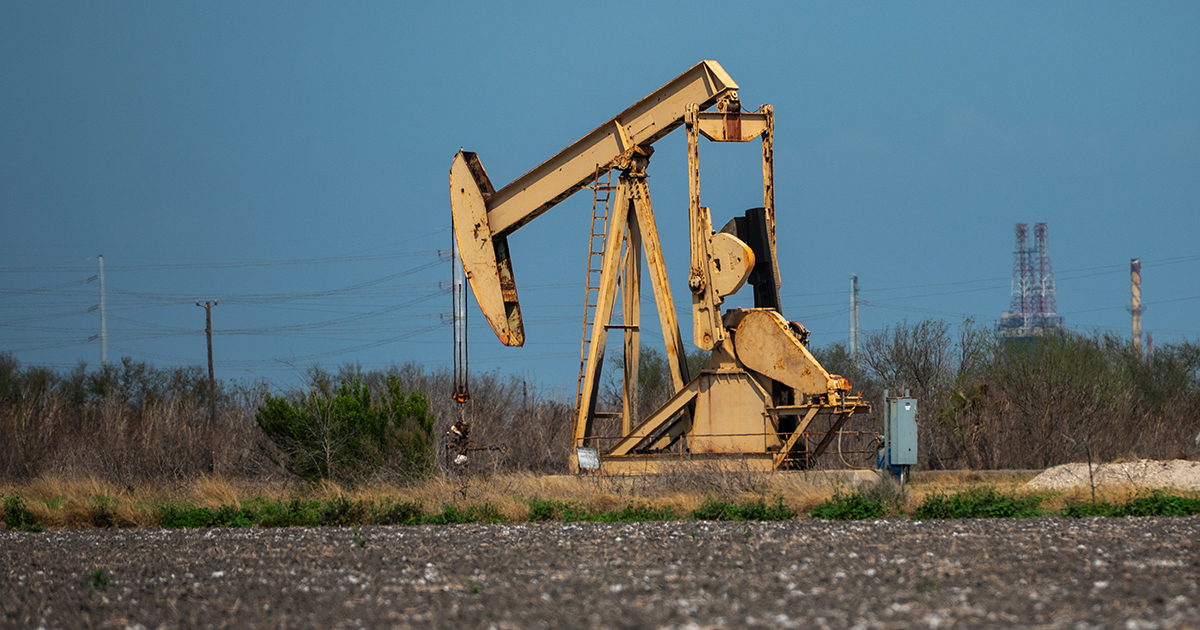
The oil rebound after Trump’s Iran message looks like a test of whether traders will price a war-risk floor back into Brent. Brent suddenly went from about $92 to more than $94 following Trump’s posting before easing, TTNews reported Thursday.
The move did not come from a supply tally. It came from a sentence. “We don’t need a deal with Iran,” Trump said on his social media platform, TTNews reported Thursday. The same report said Trump’s rhetoric marked a shift from recent efforts to pursue a diplomatic resolution, while Iran had also indicated a tough stance.
Oil was already behaving like a political contract. Reporting published at The Globe and Mail said the most actively traded Brent contract had veered sharply since the United States and Israel began the war with Iran in late February, bouncing between roughly $70 and $120. That range makes Thursday’s rebound less a clean demand signal than a fresh price on escalation risk.
The price move was the message because the rest of the market reacted as if oil could reach beyond energy. Higher oil prices push up worries about inflation, and the yield on the 10-year Treasury jumped to 5.12% from 4.98% late Tuesday, the same Globe and Mail market report said.
Stocks also felt the shock. A Globe and Mail market report said stocks broadly felt pressure from a rise in oil prices after Trump said he was no longer interested in a deal with Iran to end their war. That is the link that matters for multi-asset portfolios: crude is the input, but inflation expectations and rates decide how far the damage spreads.
FactCheck.org said this week that Trump pointed to the Iran war driving gasoline prices higher when he explained the midterm result. It also said diesel prices had increased because of the Iran war, while some energy analysts said the amount of diesel to be released would likely have little impact on fuel markets and prices.
That puts the household exposure in plain terms. If crude keeps a war premium, drivers and businesses that burn diesel pay first, and the pressure then shows up in freight, food and services that depend on transport. FactCheck.org reported that the war had already driven gasoline and diesel prices higher.
The institutional exposure is different. A rise in the 10-year Treasury yield marks down existing Treasury holdings, while stock portfolios lose if oil-driven inflation fears force rates higher. The Globe and Mail market report tied both channels to the same oil move: higher oil prices, higher inflation worries and broad stock pressure.
The Hard Line Has a Cost
The hard line has a cost even if the shooting does not intensify. BOE Report wrote Wednesday that Gulf energy producers had adapted to a no-war, no-peace reality that was making their operations more expensive and risky. In the same account, those added costs could help put a floor under global oil prices even without renewed full-scale fighting.
That is why the rebound is not just a headline reflex. Gulf producers can receive more for crude when prices rise, but the BOE Report account says their operating reality is also more expensive and risky. The producer exposure is therefore mixed: revenue can rise while security, routing and operating costs absorb more of the benefit.
The same BOE Report account set out the next branch. If no tangible diplomatic progress is made in the coming weeks, it said Trump could still conclude that renewed strikes offer the best chance of strengthening the US hand in negotiations. That possibility keeps the oil market from treating softer days as a final de-escalation.
InvestingLive reported Thursday that Trump stamped out any talk of JD Vance negotiating directly with Iran when he wrote. The same outlet also said Iran may have concluded that it would not be able to get an acceptable deal and that further fighting was inevitable. Oil traded as if those bargaining signals mattered.
The softer case still has evidence. BOE Report wrote Wednesday that recovery, coupled with Trump’s less hawkish tone, helped explain why crude oil prices had fallen so sharply in the past week. That sentence matters because it shows the market had already rewarded a lower-temperature reading before Trump’s harder message.
The rival reading is therefore simple: oil had fallen because traders saw room for restraint, and Thursday’s move may have been a fast reversal of that relief rather than the start of a durable repricing. InvestingLive’s headline said oil prices rose after Iran reported strikes, which supports the idea that fresh headlines can move crude before the market knows whether the underlying supply picture has changed.
There is also a credibility problem for political claims about fuel prices. FactCheck.org said Trump falsely claimed that he had brought gas below $2 per gallon in Iowa before the war with Iran. The correction does not erase the fuel-price pressure, but it warns against taking campaign language as a clean market measure.
Fuel users, Treasury holders and Gulf producers now sit on different sides of the same hinge. If Brent keeps rising on hard-line Iran headlines, fuel users pay more and Treasury holdings suffer from higher yields; if the price move fades, the softer case gains weight and the inflation channel weakens.
The sources here name no scheduled negotiating deadline. The test is whether Brent keeps reacting to hard-line Iran headlines while Treasury yields stay under pressure, or whether easing crude turns Thursday’s jump into another failed spike.
What would change it. Brent gives back the Iran move and the 10-year Treasury yield eases, showing the market did not keep a war premium.
Sources
ttnews.com Nov. 12The Globe and Mailboereport.com Nov. 11investingLive Nov. 12factcheck.org Nov. 10
20 statements, each tied to its sourceWhat each statement rests onHow ARCANE checks a story