Israel and Hamas sign contradictory ceasefire terms as violence persists
Both sides agreed to conflicting demands for disarmament and withdrawal, while daily attacks and international intervention continue without resolving the core impasse.
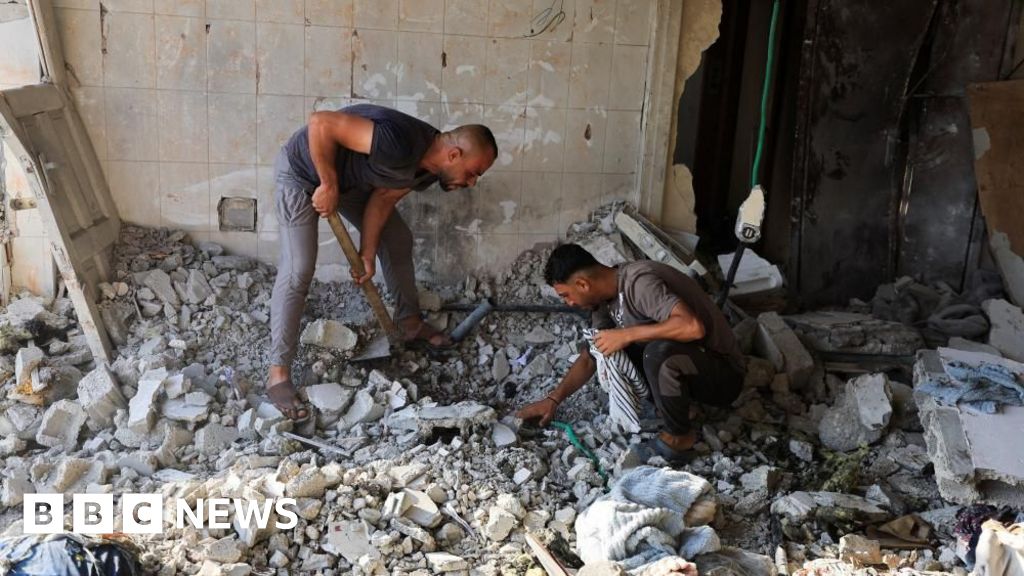
Two documents describe the same ceasefire, and both cannot be true at once. On July 30, Donald Trump announced on Truth Social that his Board of Peace had brokered a deal under which Hamas would surrender its weapons in stages and Israel would complete its withdrawal from Gaza, according to Arab Center Washington DC on August 3.
Hamas accepted the fifteen-point roadmap the next day, with disarmament supervised by an international force led by US Major General Jasper Jeffers, as Al Jazeera reported on July 31 and Taipei Times on August 19. Nine days later, Benjamin Netanyahu stood at his weekly Cabinet meeting and rejected the roadmap outright, saying there could be no progress toward any Israeli withdrawal until Hamas disarms first; Israel Ed carried this on August 9. The ceasefire exists on paper twice, in incompatible tenses, and the gap between the two texts is now being paid for daily.
Israeli strikes have continued through the truce that began last October, killing at least 1,273 people since it took effect; AP News reported this running toll on August 19.
Israel's own military counts sixteen violations of the ceasefire by Hamas and allied groups between August 1 and 18, according to FDD's Long War Journal's accounting on August 19.
Two days after Jared Kushner reportedly asked Netanyahu to slow down its strikes, Turkey, Egypt and Qatar publicly condemned them and urged both sides back to their obligations, as Axios wrote on August 19 and Reuters followed on August 20.
Each side keeps a ledger of the other's breaches. Neither ledger closes the gap between the two versions of the deal.
Trump and his envoy Kushner want a signed, photographed peace that reads as the deal of the century, which means they want sequencing flexible enough to keep both parties inside the tent. Officials running the mediation have stressed the roadmap's zero-trust design, moving forward only on externally verified steps; this appears in Chatham House reporting on August 3.
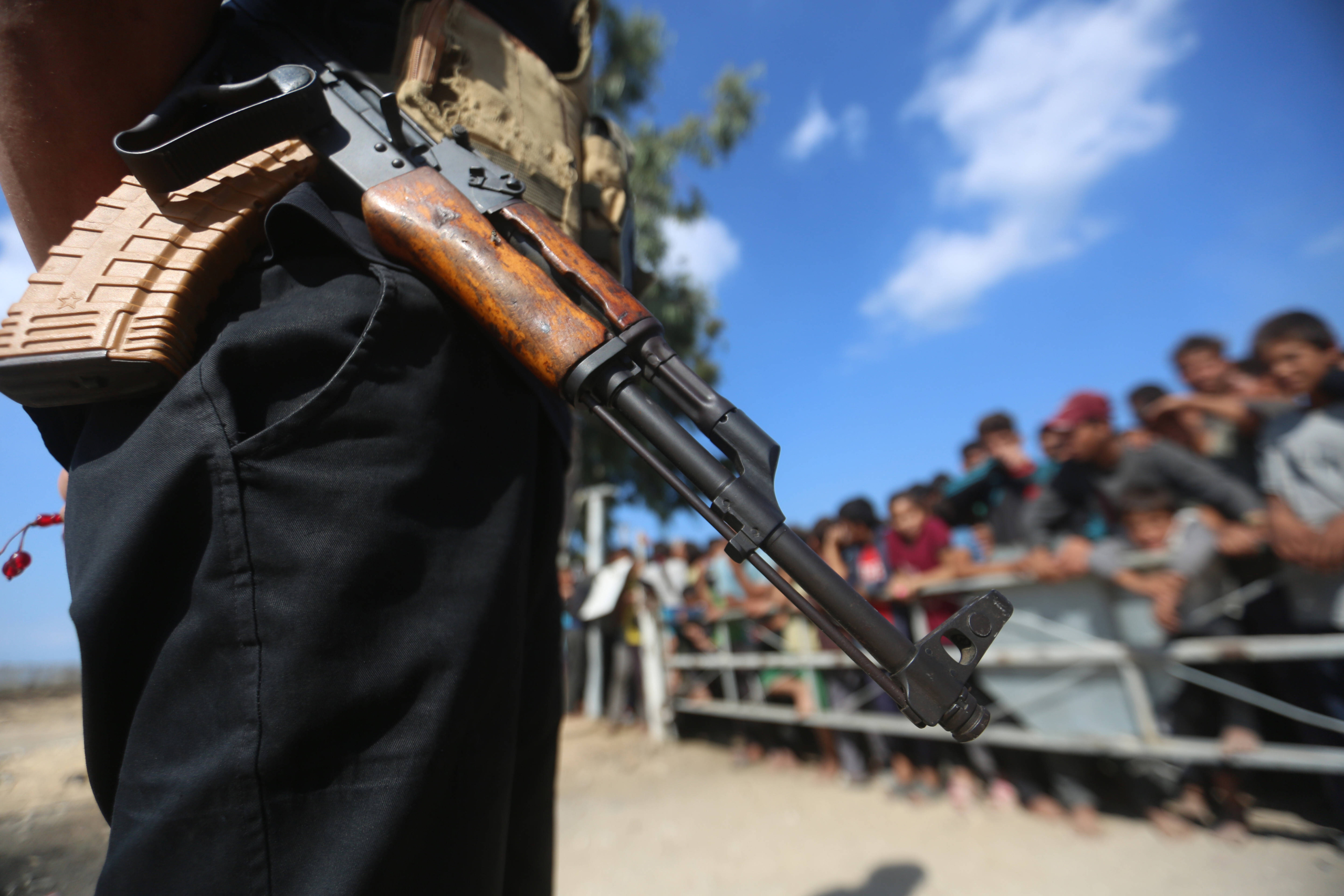
Netanyahu wants Hamas destroyed as an armed movement before any soldier leaves, and he told Kushner exactly that in Jerusalem. There is no progress without disarmament first, as The Guardian reported on August 17.
Hamas, having agreed to dissolve its government and hand over weapons, is trying to convert its acceptance into proof that Israel was never going to withdraw anyway, calling Israel's bluff by saying yes, as Chatham House noted on August 3. Then came the tell. On August 20, The Conversation reported that the mediating body had assured Netanyahu on August 17 that Israeli forces would not move out until disarmament was complete, effectively adopting his version of the sequence.
The pressure underneath has been building since October. The original ceasefire froze the war at a stalemate neither side would name. Israel holds most of the strip but cannot govern it; Hamas is battered but alive, and therefore able to veto any future by refusing to vanish. A ceasefire that requires your enemy to cease existing is a waiting room. The roadmap was the attempt to give both sides a ladder. Netanyahu kicked it away nine days later, and Washington's decision to meet him at his own sequencing means the stricter version is now the operating document.
Roads to nowhere
Markets have already made the same choice. Oil prices steadied rather than sold off when the roadmap stalled, because traders priced the ceasefire as the weaker of the two claims from the start, according to Energy News Beat in mid-August. WTI crude nudged up from $86.20 a barrel to $86.70 this week while American equities posted their worst losses in three weeks on separate fiscal worries, with US debt passing $40 trillion; this is from Al Jazeera on August 21.
The Gulf and Levant risk premium embedded in crude reflects the stricter reading. No withdrawal, no disarmament, low-grade strikes indefinitely. If the lenient roadmap were genuinely believed, Brent would carry less insurance against escalation than it visibly does.
Sequencing and settlements
The Quartet drafted the 2003 Middle East Road Map around parallel obligations, Israel cracking down on militants and the Palestinians reforming governance, each step contingent on the other’s verification. Each side declared the other in default within months and the map gathered dust through the Second Intifada’s tail. Sequencing disputes are how such agreements die, by attrition rather than drama — nobody tears the document, everyone stops performing it. What differs now is that the mediator himself owns the enforcement mechanism, the US-led International Stabilization Force, so the referee has picked a side before the match started, as Taipei Times reported on August 19.
Northern Ireland argues the other way. The Good Friday Agreement also stumbled over decommissioning. Unionists demanded the IRA hand in weapons first, republicans demanded British demilitarization first, and the deadlock dragged on for years before arms were actually put beyond use. Deals with sequencing problems can survive if the alternative to performing them stays worse than the performance. That is the honest case for the Gaza roadmap limping forward anyway, and it explains why Hamas has not formally withdrawn its acceptance even as Netanyahu rejects the text.
The price of paper
Strikes continue, aid and reconstruction stay frozen, and the stabilization force waits offshore because Jeffers’s unit deploys only if the situation calms, a condition the stricter reading guarantees will never arrive, as Taipei Times noted on August 19. Hamas’s agreement ages badly. A group that promised to disarm and watched nothing change loses credibility with Qatar and Turkey, the patrons who leaned on it to sign. Trump’s team faces a choice between pressuring a partner government in Jerusalem, which no administration enjoys, and letting the plan rot quietly while claiming credit for having produced it.
The people who absorb all of this are Gaza’s two million residents, living in rubble under near-daily fire, and the hostages’ families whose timeline is measured in months of a man’s life, not negotiating rounds.
Who profits meanwhile sits mostly outside the blast radius. Traders who read the sequencing fight correctly in early August hold cheap insurance in crude options and long-dollar positions that pay if the region boils again. Israel’s defense contractors and the Western replenishment pipelines behind them keep running hot regardless of which version wins, since either outcome consumes munitions. The losers are the quiet ones. Egyptian and Qatari mediators are spending credibility, along with every institution, the Board of Peace included, whose value depends on paper agreements meaning something.
The read confirms if Israeli strikes continue past the end of August with no verified weapons-surrender event staged by Jeffers’s force, and if Israel formally insists that disarmament precedes any redeployment map. It breaks on a published withdrawal schedule with dates, tied to a first tranche of surrendered heavy weapons verified by outsiders, which would flip the operating document back to the lenient version overnight. When Major General Jeffers’s teams cross into Gaza with containers to receive weapons, the lenient version is live. Until then, the market is right to price the stricter one.
A ceasefire with two texts is whichever text the stronger party reads aloud, and Netanyahu is reading his version louder every week. Washington’s mediation has endorsed the harsher document while keeping the softer one on the website.
Agreeing to disarm was the easiest promise Hamas ever made to keep, because Israel has made sure it never comes due.