UK sanctions Myanmar officers after genocide ruling
The measures pair officer bans with planned aviation fuel curbs and aid for Rohingya communities, widening pressure on Myanmar’s military.
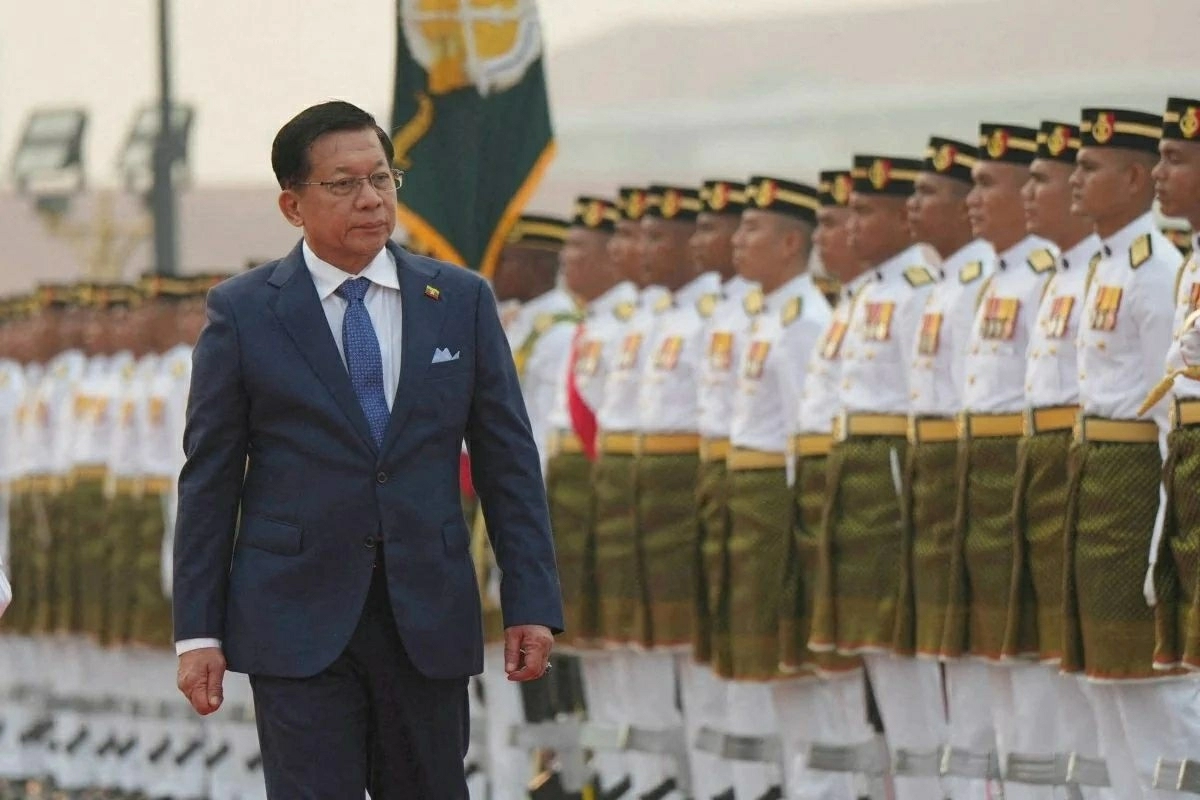
The UK’s genocide recognition now has teeth only if the sanctions become a bridge to aviation fuel controls.
The UK said on Nov. 23 that the package targets five senior Myanmar military officers with asset freezes, travel bans and director disqualifications.
The test is whether the UK Government introduces the aviation fuel legislation it said it intends to bring forward.The move links a court judgment to tools that can touch people, money and aircraft supply chains. It also puts a test on Britain’s policy: whether a statement of recognition becomes a restriction on the materials that help the Myanmar military fly.
The UK Government said on Nov. 23 that it had formally recognised the genocide committed against the Rohingya and announced a package of measures against the Myanmar Military. That recognition changes the frame from condemnation to state responsibility, because the same release paired the legal finding with sanctions, planned fuel legislation and aid.
The Independent reported on Nov. 24 that Ed Miliband told the Commons the UK had ordered the expulsion of Myanmar’s defence attache.
In the same account, he said Britain had imposed sanctions against four major generals and a brigadier general who oversaw troops that carried out civilian killings and repression across Myanmar.
Reports differ on who was sanctioned. One names five military officers; another names Myanmar’s president among those targeted. That discrepancy leaves the official list as the firmer account of the measures.
The latest measures sit on a longer sanctions file rather than a clean break. The UK said on Nov. 23 that it had already imposed 19 rounds of sanctions since the 2021 military coup, designating 42 individuals and 39 entities, including people responsible for atrocities against the Rohingya.
The legal path began before this week’s measures.
The UK said on Nov. 23 that The Gambia instituted proceedings against Myanmar in November 2019, alleging violations of the Genocide Convention in relation to the treatment of the Rohingya.
The Independent reported on Nov. 24 that the ICJ found about 10,000 Rohingya were murdered during the clearance operation in western Rakhine state, which borders Bangladesh and the Bay of Bengal. The same account quoted a minister saying this was the first time the ICJ had found a state directly responsible for committing genocide.
BBC reported on Nov. 23 that the ICJ also found by majority that Myanmar had violated several other parts of the 1948 Genocide Convention. tribune.net.ph reported on Nov. 24 that the United Kingdom and 13 other countries acknowledged the ruling, and that the foreign ministers said the Court’s judgment is binding upon Myanmar.
The humanitarian money shows the other half of the package.
The UK said on Nov. 23 that it would provide an additional £5m for essential services to approximately 350,000 Rohingya and other people in Rakhine state, where humanitarian need is most acute.
Aviation Fuel Is the Next Test
Aviation fuel is where the policy can move from naming officers to constraining capacity. The UK said on Nov. 23 that it intends to introduce legislation targeting the export and supply of aviation fuel to Myanmar to address continued airstrikes against civilians. The proposed restriction remains a plan rather than a rule in force.
TBS News reported on Nov. 24 that Miliband told the House of Commons the legislation would come in the coming months and would seek to stop the export and supply of aviation fuel to Myanmar, citing the military’s use of air power against civilians. That sentence is the hinge of the policy, because sanctions already announced are retrospective while fuel rules would affect future supply.
Myanmar’s denial keeps the rival reading alive.
The Hereford Times reported on Nov. 24 that Myanmar has denied all claims of genocide, and that denial means the sanctions can still be read as a diplomatic response to a contested ruling rather than as the start of a wider material squeeze.
The case for pressure is stronger than the case for symbolism because it names officers, targets assets and travel, and points toward aviation fuel. The case for symbolism would strengthen if the fuel legislation does not arrive, leaving the package centered on people already within a sanctions system.
For ordinary taxpayers, the clearest exposure is public money moving toward relief rather than military channels: the package funds services in Rakhine state while sanctions block designated officers from assets, travel and directorships. For banks, insurers and fuel traders, the exposure is compliance risk around the export and supply of aviation fuel to Myanmar.
The test is whether the UK Government introduces the aviation fuel legislation it said it intends to bring forward. If that text targets export and supply, the pressure case strengthens; if it does not arrive in the coming months, the move looks more declaratory.
What would change it. The UK announces that it will not introduce the proposed aviation fuel legislation.
Sources
gov.uk Nov. 23independent.co.uk Nov. 24tbsnews.net Nov. 24com.sa Nov. 24BBC Nov. 23net.ph Nov. 24The Hereford Times Nov. 24
23 statements, each tied to its sourceWhat each statement rests onHow ARCANE checks a story