Washington funds mines it cannot permit faster than rivals can choke the old ones
The United States is writing checks against mines that exist mostly as filings, while Beijing tightens its hand on the metals that actually move today.
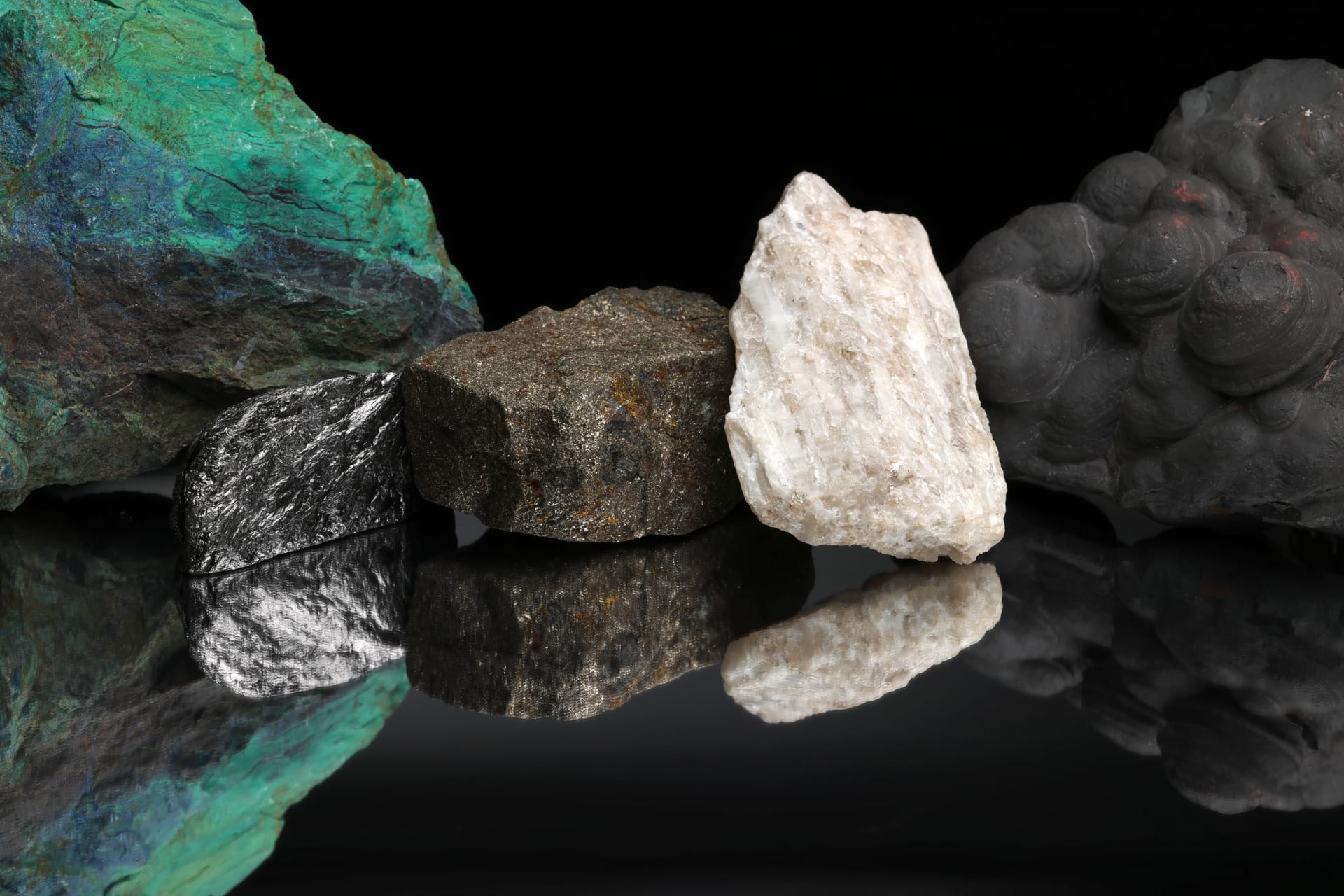
Sixteen years pass between the day an American mine is discovered and the first ton of ore it ships, and for projects still on paper the wait stretches toward thirty. Permit revocations are the single biggest cause of that delay, according to S&P Global Market Intelligence's July 2026 tally.
Washington knows this, and writes checks anyway. Half a billion dollars went to seven critical minerals companies on Thursday, the latest round of direct equity stakes and price guarantees — The National reported the round on August 20 — and $162 million went to nine more projects three days earlier to push industrial feedstocks toward pilot scale (Rare Earth Exchanges, Aug 18). The money arrives years before any mine does, which is exactly the gap no check can close.
The Trump administration wants visible supply-chain wins before the midterms, and the pace of announcements shows it: Project Vault, the twelve-billion-dollar federal minerals stockpile unveiled in February, sits alongside equity positions taken through the Pentagon and Energy Department, as the New York Times described the program on February 2. The miners want capital and guaranteed prices, and they have learned to ask Washington rather than Wall Street, because lithium and rare earth prices spent two years underwater.
China's Ministry of Commerce wants bargaining power over anyone downstream, and since June it holds more of it. State Council Order No. 839 took effect June 15 and put rare earth mining, smelting, separation and even stockpiling under direct state control; a Certivo analysis dated July 7 traced the order's reach. Beijing then widened its export-license regime to ten American firms in June and fourteen European ones in July, which Tech-Insider reported on July 30.
This week's grants are the trigger, another tranche in a funding drumbeat that began when the Defense Department took an effective fifteen percent position in MP Materials through cash and warrants, becoming the rare earth miner's largest shareholder (Business Model Analyst, 2026). The pressure underneath is geological and bureaucratic at once. The deposits America wants — lithium in Nevada, rare earths in Texas and Mountain Pass, tungsten in Alaska — sit under permitting regimes that litigation can stall for a decade, while the refining capacity that matters even more than mining remains almost entirely Chinese.
Mines at courtroom speed
Money moves at the speed of an appropriations cycle. Mines move at the speed of a courtroom.
Japanese conquest of Southeast Asia cut off natural rubber in 1942, and Washington did not wait for permits or price signals; it built fifty-one plants itself, owned them, and handed operations to Standard Oil and rubber companies. Four years later the country ran entirely on synthetic rubber. The lesson Washington keeps quoting is that state capital can conjure an industry at wartime speed.
The Synthetic Fuels Corporation of 1980 is closer than 1942, and it argues the other way. It was chartered with tens of billions to replace imported oil after the second embargo, and by the time Congress killed it in 1985 it had produced essentially nothing, because oil prices collapsed and the corporation could neither pick technologies nor move faster than the market it was hedging. Government money without urgency builds nothing.
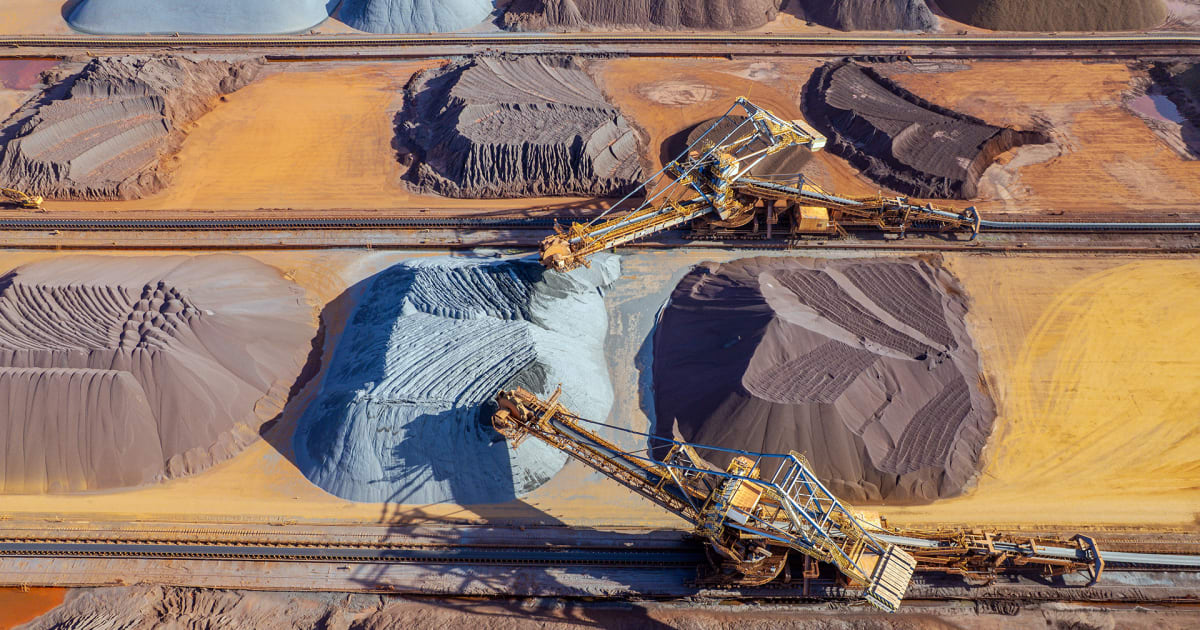
The difference between 1942 and 1980 was whether the supply cut had already arrived.
Today the rare earth cut has arrived for everyone downstream of a Chinese export license, and the answer being built is a fourteen-year mine pipeline.
Who pays, who profits
The funded projects bid for the same handful of engineers, drill rigs and processing chemists, so costs rise across the board before a tonne ships. The companies Washington has picked, MP Materials above all, get a decade-long guaranteed price of $110 per kilogram for neodymium-praseodymium oxide — roughly fifty dollars above where the market traded when the deal was struck, by Lipmann Walton analysis in 2025 — and every unfunded rival now competes against the Treasury rather than against each other. Beijing reads the same announcements and concludes that chokepoint pricing pays, because the West has just demonstrated it will pay double rather than go without.
Taxpayers pay twice, once through the grants and again through the price floor whenever market NdPr dips below the guarantee, and the deficit carries both. The winners so far are shareholders of the chosen few. Market Index figures from 2026 show MP Materials has multiplied this year, Lithium Americas nearly doubled on the news of its government stake before settling back once the details landed, and Australian producers Lynas and Iluka re-rated upward on the mere existence of a Western reference price.
The loser is the manufacturer between the two blocs, the auto supplier waiting on a magnet license that arrives late and conditional, the defense contractor whose sub-tier vendor just got a letter from the Ministry of Commerce.
The observable sequence
Does permitting reform actually deliver? There is real evidence it might. Projects on the FAST-41 dashboard reach a final record of decision about eighteen months faster than comparable projects outside the program, and the U.S. Permitting Council has been adding mines to that list steadily, according to a report carried by Aju Press on April 27. If Thacker Pass ships battery-quality lithium carbonate in late 2027 as targeted, and MP's Texas magnet campus runs by the end of the decade, the contradiction resolves slowly in Washington's favor and this piece reads too grim.
If the read is right, more Chinese license refusals and delays aim at named Western firms through the autumn, spot premiums outside China persist well above the $110 floor, and at least one funded American project slips its timeline past 2028 on a lawsuit rather than a financing gap. China flooding the market with cheap rare earths and lithium to kill the price floor economics would break the read, and so would a fast-tracked mine shipping material on schedule ahead of the next election. Watch for either.
The consequence lands not in a communique but in a plant in Ohio stamping motor rotors, or not stamping them, depending on a license office in Baotou. Until the first new American mine ships, every dollar Washington commits buys insurance. The premium on that insurance is set in Beijing.