U.S. Navy military corridor keeps oil moving as Iran claims Strait of Hormuz closure
American naval escorts ensure tanker traffic continues despite Iran's repeated claims to have shut the strait, turning the standoff into a contest of control.
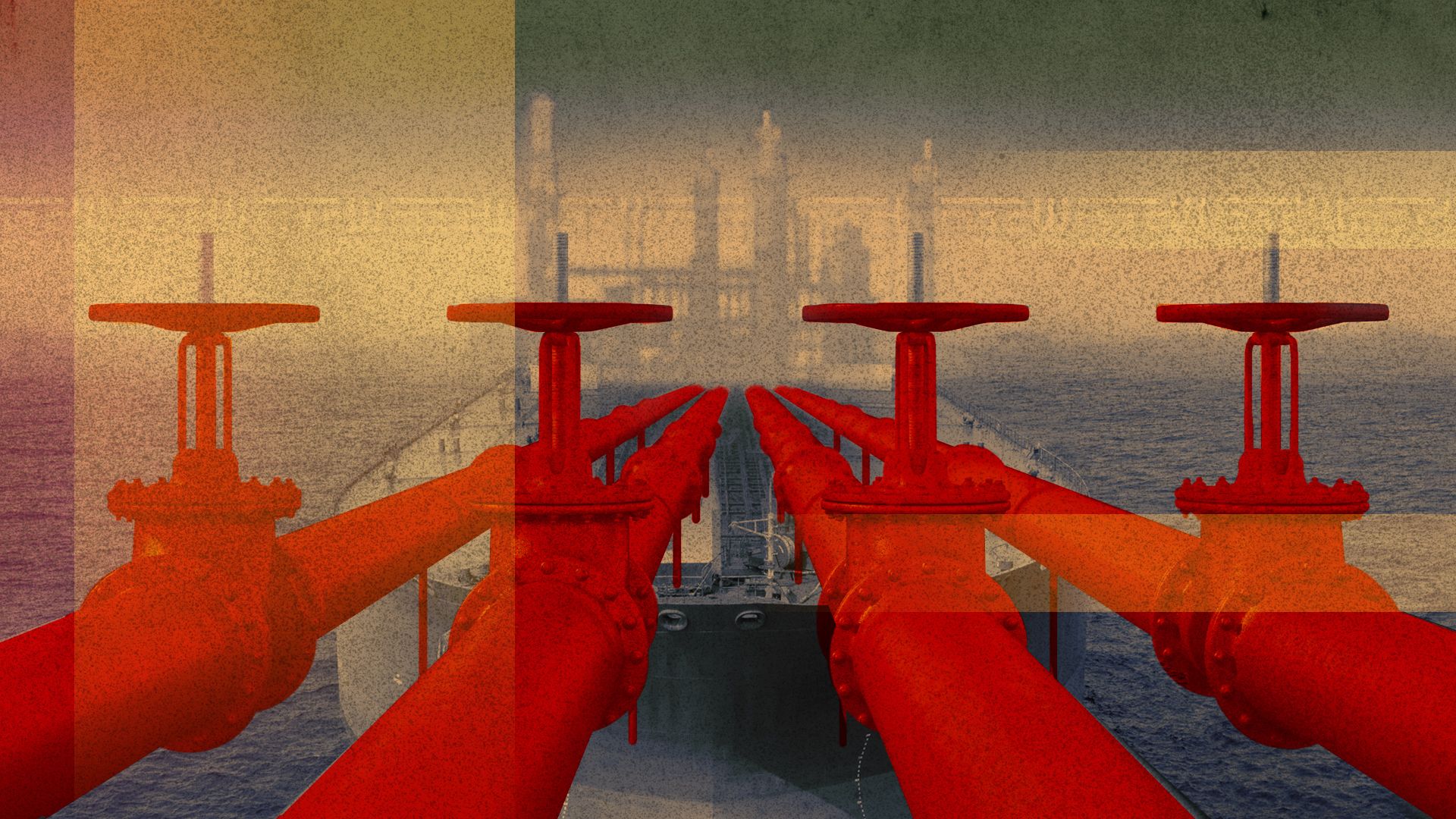
Iran says the Strait of Hormuz is closed. It has said so for months, and it has not stopped saying so. This week Washington said otherwise: a military-coordinated corridor carried more than 15 million barrels of oil through the strait in a single day — Reuters passed along the figure via gCaptain on August 22.
Yet the commercial trackers that watch ordinary tankers for a living counted almost none at all in that lane.
What is at stake is bargaining power Tehran never earned at a table, and an oil route Washington needs open without paying for it. The dispute has hardened into two rival regimes over the same water, and this week's competing numbers show both are real at once. Whoever settles which regime governs the strait will set the price of oil for everyone downstream of it.
Tehran has set six conditions for reopening the channel, including lifting the maritime blockade on its own crude and pushing American naval forces away from its coast, The National reported on August 10. Washington wants oil flowing without conceding any of that, so the Pentagon built its own lane along Oman's southern side of the strait and escorts convoys through it under naval protection — Axios reported that arrangement on August 19.
Muscat plays the honest broker, negotiating coordinates for an agreed route with Tehran, according to World Cargo News on August 6. Baghdad quietly asks permission for each Iraqi tanker by name, and Iran grants passage after repeated requests, Reuters reported on August 22.
Two regimes, one strait
Energy Secretary Chris Wright said American forces helped ship over 15 million barrels out of the strait on Tuesday alone, with a seven-day average above 8 million barrels per day, Reuters reported on August 22. The Joint Maritime Information Center logged just three non-facilitated tanker crossings per day across August 17 to 19, and Kpler reported confirmed crossings falling nearly twenty percent last week, with none through the established traffic scheme, as gCaptain reported on August 22. TankerTrackers.com called the official figures cherry-picked, noting convoy flotillas move only a handful of hulls at a time because air support limits their size, as reported by TankerTrackers.com via gCaptain on August 22.
Underneath the dispute lies the slow pressure. Since the war opened on February 28 with strikes against Iran, the strait has been split into two regimes. There is an Iranian-controlled northern route where passage requires Tehran's blessing, and an American-escorted southern corridor near Oman that does not require formal permissions. Before the war the strait averaged roughly 138 transits a day, according to a gCaptain and Reuters wire on August 22; now every crossing belongs to one patron or the other, and the old neutral sea lane has simply ceased to exist.
In the tanker war of the 1980s, Iran and Iraq shot at shipping for years while the strait stayed formally open, and the world responded by reflagging Kuwaiti tankers under the Stars and Stripes so American warships could shepherd them through. Today rhymes: escort, insure, keep sailing. What differs is the paperwork. Then, no one pretended the strait was closed; today Tehran maintains a fiction of closure even as it sells transit permissions, because the fiction itself is the negotiating asset.
Qatar's LNG trade shows what happens when the escort regime fails. The Al Rekayyat was struck by a projectile off Oman in July, and weeks later the GasLog Shanghai was hit leaving the strait, prompting QatarEnergy to extend force majeure on cargoes until two dozen shipments were affected through September, Euronews reported on August 3. If escorted convoys can be struck twice in a month, the corridor is a discount on risk, not an exemption from it.
Who pays first
Asian buyers pay first, through Brent trading as high as $120 earlier this spring and hovering near $87 this week, The National reported on August 10. Shipowners pay next. War-risk premiums have multiplied many times over peacetime rates, and some underwriters advised pausing voyages outright after the latest attacks, in a Reuters wire carried by gCaptain on July 9.
Iraq may pay longest. It produced about 4 million barrels a day before the war and is now racing to open export routes through Turkey's Ceyhan, Syria's Baniyas and Jordan's Aqaba because its main outlet runs past a strait controlled by external powers, Reuters reported on August 22. And around 20,000 seafarers remain caught in the region's disrupted shipping, according to the International Maritime Organization.
Who profits is equally concrete. The American escort converts naval presence into energy leverage without a treaty, and Washington can claim credit for every barrel that moves. Iran collects rents on its northern route, selling passage to Baghdad and others while insisting nothing has reopened. Owners willing to sail dark, transponders off near Iran's own coastline, capture premium freight rates that law-abiding operators decline, as Business Standard reported on June 21. The middlemen, insurers and flag registries, collect fees on risk that did not exist eighteen months ago.
Confirmation looks like the Axios-reported pace holding or accelerating, around forty escorted movements a night, while JMIC's non-facilitated count stays near zero, as Axios reported on August 19 and Joint Maritime Information Center data via gCaptain on August 22. That divergence is the signature of a privatized strait. State-favored cargo flows, everything else waits.
A mass strike on the escorted corridor itself, or a genuine negotiated reopening that restores the old traffic separation scheme, would collapse the two-regime system back into one. Either event makes the current numbers meaningless.
Until then, the strait is not closed and not open; it is owned in slices, and every slice has a price.