Trump plans higher tariffs without setting dates
Products from China, the European Union and Brazil face proposed import taxes that may not arrive for months.
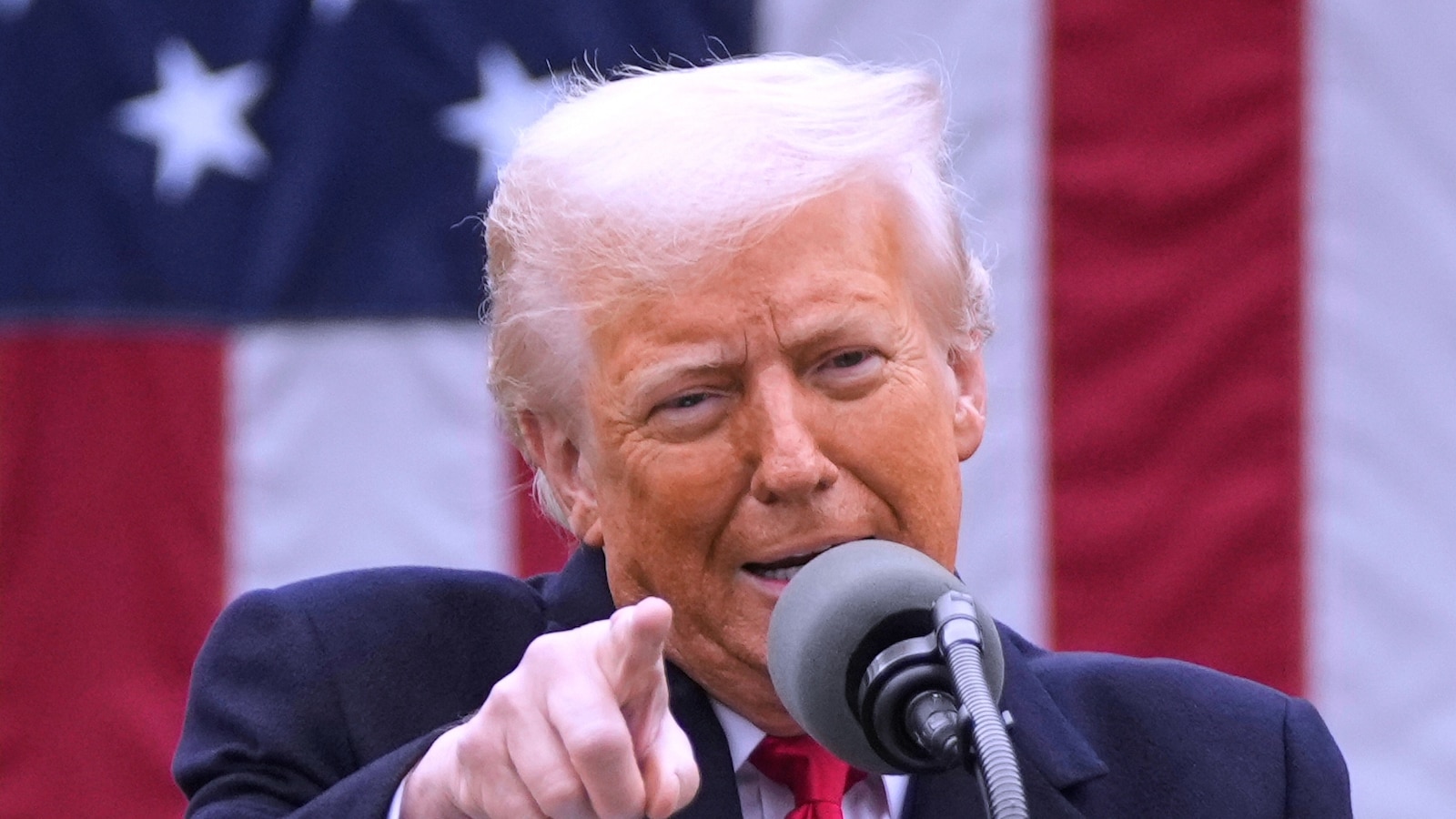
Trump's tariff plan is broader than a China fight and slower than a tariff shock. The planned cases cover trade practices of 12 countries, the 27-member EU and Taiwan, while the tariffs remain at proposal stage with no strict timeline, ABC News reported on Nov. 25.
The cost risk lands first on importers and foreign producers tied to targeted goods, not on every company trading with the United States. American manufacturers are the stated beneficiaries: The Korea Times reported on Nov. 25 that the new tariffs are meant to discourage excessive manufacturing output boosted by subsidies and other trade barriers that the administration says disadvantage American manufacturers.
The legal route narrows the fight. A report published by 1News on Nov. 25 said the levies would come under Section 301 of the Trade Act of 1974, which permits import taxes and other sanctions against countries found to engage in unreasonable or discriminatory trade practices. WATE reported on Nov. 25 that the new import taxes would not stack on separate tariffs imposed under Section 232 of the Trade Expansion Act of 1962 on automobiles, steel, aluminum and other products.
The tariff ladder also separates China from the rest of the list. ABC News reported on Nov. 25 that President Donald Trump's administration plans to raise taxes on Chinese goods and on products from the European Union, Japan, South Korea, Taiwan and nine other major trading partners. For other trading partners, the same report put the range below the Chinese total.
Brazil shows how a product case can become a company problem. ABC News reported on Nov. 25 that the administration is proposing higher import taxes for raw and refined sugar and a new tariff on aircraft, a move that would hit Embraer (ERJ), Brazil's largest aircraft maker. On those terms, the named product list reaches a specific manufacturer before it reaches the whole Brazilian economy.
Brazil's government has already framed the plan as a dispute rather than a technical filing. WATE reported on Nov. 25 that Brazil's government expressed indignation over the proposed tariffs and threatened retaliatory measures. That response raises the chance that affected buyers price in political delay as well as the tax itself.
A slower clock is part of the market signal. The official stressed that the tariffs were still at the proposal stage, ABC News reported on Nov. 25, and the Ottumwa Courier reported the same day that Greer does not think any new tariffs would take effect earlier than a couple of months from now. A buyer can face a higher quoted tax risk before any customs bill changes.
The case against a large China effect is straightforward. WATE reported on Nov. 25 that Wednesday's proposal “barely raises existing tariffs on China and will make no difference to the country’s trade behavior.” That argument deserves space because a tariff can be politically loud while leaving a producer's best option unchanged.
The administration's answer is consistency, not speed. The Korea Times reported on Nov. 25 that an official said the new tariffs would be consistent with trade deals Trump reached last year with dozens of countries after threatening severe tariff hikes. That makes the plan look like another bargaining instrument, but the sources do not show that any partner has changed terms in response.
If the Plan Becomes Policy
If the plan becomes policy, a person with a broad pension or stock index would not be looking at a clean country bet. The first pressure would sit in companies that buy or sell the named products, while American manufacturers are the group the administration says it wants to help. If the plan stalls, that cost risk fades before it becomes a customs charge.
Institutional exposure is more direct for firms that import the targeted products or compete with subsidized output. If the formal releases keep the taxes product-specific and outside the Section 232 stack, pricing models can isolate aircraft, sugar and the named trading partners. If the measures broaden, the risk moves from product pricing into supply contracts across more categories.
The formal releases will decide whether this remains a bargaining notice or becomes a nearer cost shock. A release that keeps the proposal targeted and undated would support the slower reading; an implementation date earlier than a couple of months from now, or any stacking onto separate tariffs, would break it.
What followsConditional research · not advice
From the storyThe plan is broader than a China-only action and slower than an immediate tariff shock because it names many partners and remains at proposal stage.1 link later: a hypothesisIf a Section 301 action implements the named aircraft tariff, Embraer and aircraft importers face direct U.S. import-tax exposure under this package.
Why it is not the obvious read
The aircraft finding departs from the broad, slow tariff read by isolating a named Brazil product exposure that can matter even if the China headline changes little.
is proposing higher import taxes for raw and refined sugar and a new 10% tariff on aircraft, a move that would hit Embraer, Brazil’s largest aircraft maker.
The levies will be imposed pursuant to Section 301 of the Trade Act of 1974, which permits the president to impose import taxes and other sanctions against countries found to engage in unreasonable or discriminatory trade practices.
AssumesIf the proposal is converted into a formal Section 301 action and aircraft remains on the product list.
If a Section 301 action implements the named aircraft tariff, Embraer and aircraft importers face direct U.S. import-tax exposure under this package.
The bottleneck
The binding bottleneck is whether formal releases keep aircraft on the product list and move the proposal into a Section 301 collection action.
Who is exposed
The relevant exposure is U.S. aircraft import-tax cost tied to aircraft products named in the proposal, including Embraer.
What to watch, how long it must last, where it breaks
What to watch
- Link 1
A formal release lists aircraft within the product-specific import taxes and describes collection at the border.
How long it must last
- Link 1
During the period after formal releases and before the administration's stated earliest timing window has passed.
Where it breaks
- Link 1
The formal release omits aircraft, leaves the plan at proposal stage, or places aircraft only in a separate autos, steel or aluminum track.
What would change it. A formal release sets implementation earlier than a couple of months from now or stacks the measures on Section 232 tariffs.
Sources
abcnews.com Nov. 25Santa Fe New Mexican Nov. 25ottumwacourier.com Nov. 25wate.com Nov. 251news.co.nz Nov. 25koreatimes.co.kr Nov. 25
24 statements, each tied to its sourceWhat each statement rests onHow ARCANE checks a story